6 verified briefings on System Design. Each story includes a plain-English summary, why it matters, and the concrete action engineering teams should take.
AI agents fail for reasons beyond just model hallucinations. An OpenAI expert shared a framework for building reliable 'agent harnesses' that control state, scope authority, and validate actions to prevent common production errors.
Netflix redesigned its real-time service map to handle massive scale without losing data. The new system uses a multi-stage pipeline and clever backpressure techniques to ensure every event is processed, even under extreme load.
A new tool called VoiceDraw automatically creates system design diagrams from your spoken words. It aims to make technical discussions and interviews easier by letting you focus on thinking out loud instead of drawing by hand.
A set of principles from over 20 years ago, the 'eight fallacies of distributed computing,' are still critical for building reliable software. Ignoring them leads to system failures, a lesson developers are constantly relearning.
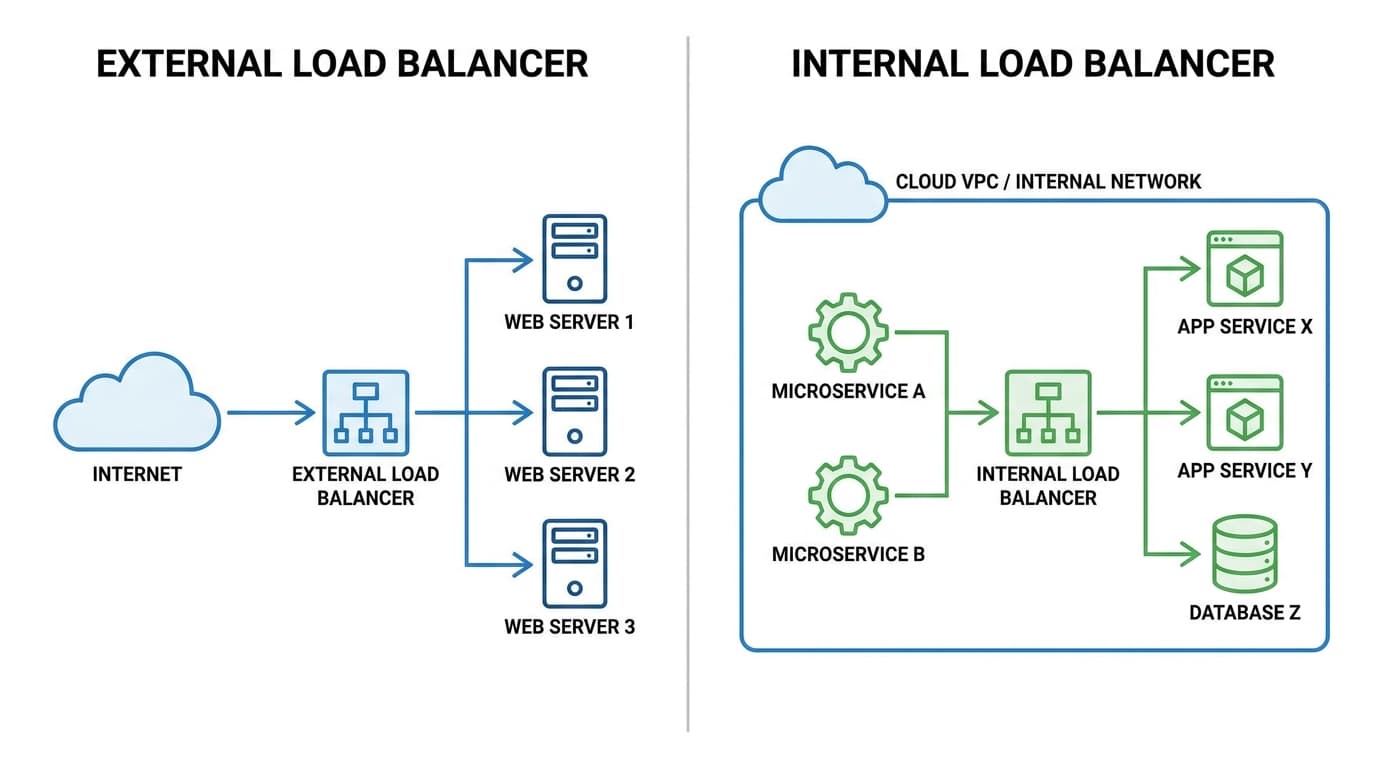
External load balancers direct public internet traffic to internal services using a public IP address. In contrast, internal load balancers manage traffic exclusively within a private network, routing requests between internal resources. Understanding this key difference is essential for building scalable and secure application architectures.
AI agents that perform actions like sending emails or making payments face a critical challenge: confirming their tasks are complete. Without a reliable confirmation or "receipt," a simple retry can cause duplicate transactions, creating significant operational risks for businesses using this technology. This highlights a key reliability gap.