Short, verified tech briefings on AI, Cybersecurity, Infrastructure, Database, and Tech Updates — with the analysis and action steps engineering teams need.
Amazon's next-generation Linux, AL2027, is now in preview with a major security change. It enforces SELinux by default, which could break existing applications, forcing developers to update their systems for compatibility and improved security.
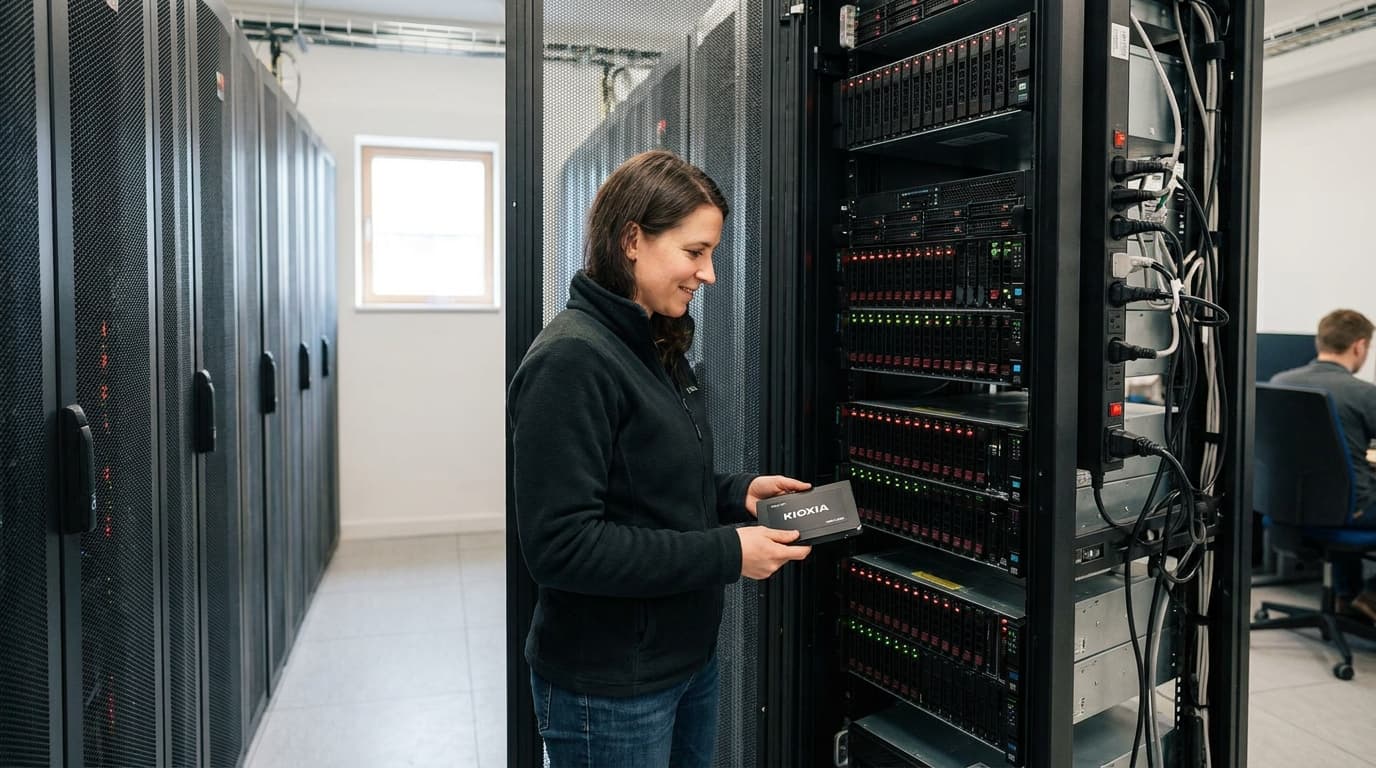
Kioxia is developing new flash memory products that act like traditional RAM. This could help data centers dramatically expand memory capacity for AI workloads without the high cost of DRAM, easing a major infrastructure bottleneck.
The Java platform is preparing major updates, including ahead-of-time (AOT) compilation for faster startup and structured concurrency to simplify multi-threaded apps. These changes signal a push for better performance and developer productivity across the ecosystem.
Google BigQuery now has built-in AI functions that automatically find trends and explain why your metrics change. This lets data teams get complex answers directly within SQL, without needing separate machine learning tools.
A UK court ruled a homeowner's Ring video doorbell illegally captured a neighbor's data, violating GDPR. The case sets a critical precedent for IoT device makers, highlighting the legal risks of constant audio and video surveillance.
AI coding assistants increase developer output by 25%, but new data shows they also cause an 81% rise in duplicated code. This trade-off creates new challenges for code maintenance, quality, and long-term technical debt.
Travel giant Agoda replaced its massive 72-server SQL database with just two DragonflyDB clusters. The move cut data access times by 8x, improving performance for its hotel price cache that handles huge volumes of traffic.
A new architecture combines formal decision models with large language models to make AI agents more reliable. This approach gives businesses auditable and deterministic control over high-stakes automated decisions, a key hurdle for enterprise adoption.
A new architectural pattern shows how developers can use standard Postgres features to manage complex, durable workflows. This eliminates the need for external orchestration tools, simplifying infrastructure and potentially lowering operational costs for engineering teams.
Nvidia is rapidly increasing its startup investments, joining regulars like Y Combinator as a top backer in August. This signals a major shift in the venture landscape, driven by the AI boom.
Nvidia is acquiring Hugging Face for $12.9 billion, a massive deal that combines the top AI chipmaker with the leading open-source AI community. This move aims to solidify Nvidia's dominance across the entire AI stack.
Figma built custom AI agents that help its security team investigate alerts and prepare code fixes. The agents learn from past incidents, reducing repetitive work and resolving complex security issues about 70% faster.
A new open-source tool called Blume can turn a folder of Markdown files into a complete documentation website with almost no configuration. Built on modern tech, it's designed to be AI-ready and easy for developers to use.
inclusionAI has released Ling 3.0 Flash Sante, a powerful AI model specialized for medicine, on Vercel's AI Gateway. It features a large memory and is designed for complex healthcare reasoning, with a free trial available until October 4.
Google's engineers built a new command-line tool, Antigravity, to automate the complex process of migrating databases to Spanner. The tool manages dual-writing to old and new systems, ensuring zero downtime for critical financial applications.
Yahoo now uses flexible virtual machines in Google Cloud's Spark service. This simple change prevents critical data processing jobs from failing when specific server types are unavailable, making their massive data infrastructure more resilient and cost-effective.
GitHub is testing Project HydraFusion, an AI system that uses multiple models together to improve coding assistance. This approach aims to deliver higher quality results while better managing performance and cost for complex developer tasks.
An AI firm has offered $12.5 million for bankrupt Spirit Airlines' internal data, including 600 million emails and chats. The case shows how corporate data is now a valuable asset for training AI, raising major privacy concerns.
The Kubernetes project is promoting KYAML, a stricter version of YAML, to make configuration files safer and more predictable. This aims to reduce common errors that cause deployment failures for developers and DevOps teams.
A top CTO argues that hiring for personality and problem-solving ability creates stronger, more resilient engineering teams than focusing only on technical skills. This approach is crucial for navigating crises and integrating AI.
Premier League team Tottenham Hotspur cut its virtualization licensing fees by over 85% after switching from VMware to HPE's software. The move highlights growing backlash against Broadcom's recent pricing changes.
Meta introduced ZGateway, a proxy for its massive ZippyDB database. The new layer simplifies traffic management, adds resilience, and offers a blueprint for developers managing large-scale systems.
Modern fertilizer production relies on fossil fuels, making food prices volatile. Now, biotech startups are engineering microbes that produce nitrogen for plants, offering a path to more stable and sustainable agriculture.
AI company Cohere has released Parse 5, a new model that can read complex documents like PDFs and extract structured data. This helps businesses automate data entry and analysis from visually rich files like invoices and reports.