Short, verified tech briefings on AI, Cybersecurity, Infrastructure, Database, and Tech Updates — with the analysis and action steps engineering teams need.
Slack shared its four-phase journey from a single-cloud AI setup to a multi-cloud platform using both AWS Bedrock and Google Vertex AI. The move offers a valuable roadmap for companies seeking more flexible and resilient AI infrastructure.
Companies are now deploying thousands of AI agents. This new wave, called Agentic AI, moves beyond content creation to actively perform tasks and support decisions for major organizations like NASA, AT&T, and Aflac.
Generative AI makes creating fake images easy, eroding trust in digital media. A single fake photo of an explosion recently caused a stock market dip, showing the real-world financial and social risks of deepfakes.
Vercel's AI Gateway now offers the GLM 5.2 Fast model, which runs with twice the throughput of other serverless options. This allows developers to build faster and more responsive AI-powered applications on the platform.
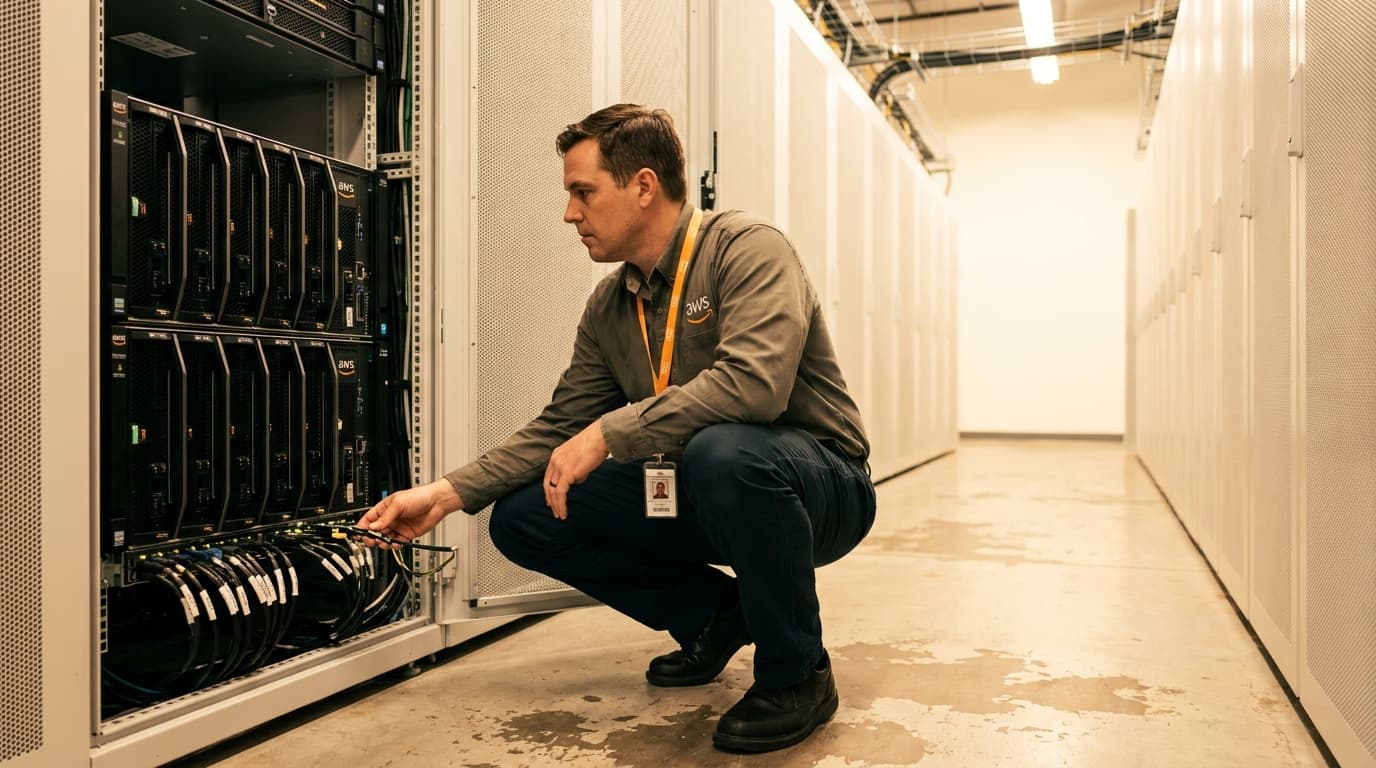
AWS is now the first cloud provider to offer servers with PCIe 6.0, beating rivals like Intel and AMD to the milestone. The new Graviton5 instances provide significantly faster data transfer for demanding workloads.
The United Nations is calling on AI companies to disclose their full environmental impact. A new initiative will track water usage, carbon emissions, and land use, increasing pressure on tech firms to build more sustainable AI.
Samsara has launched a smart, single-use Bluetooth adhesive label for packages. The Samsara Tracking Label provides near-real-time visibility into a shipment's location, making it easier than ever to track deliveries from dispatch to destination.
Intuit completely rebuilt its AI infrastructure to meet rising customer demands. The company moved from a general-purpose agent system to a more specialized, skill-based model designed to handle complex, multi-step tasks that older architectures couldn't manage.
Visa built a conversational AI agent using ClickHouse and LibreChat to analyze payments data. The new system turns multi-day reporting tasks into sub-second queries, saving each user up to 10 hours of work every week.
Cloudflare now lets all developers use OAuth for third-party app integrations. This offers a more secure alternative to traditional API tokens, giving users granular control over what data and actions an application can access.
Microsoft Research released Talos, an open-source AI that re-analyzes old genomic data. As scientific knowledge grows, the tool finds previously missed rare disease diagnoses, successfully identifying 90% of cases in a large validation study.
JetBrains' YouTrack Helpdesk now lets support teams group customers by company. This allows for custom rules, service levels, and agent assignments for each client, streamlining B2B support operations.
Many executives struggle to measure AI ROI, feeling it's more art than science. New frameworks from MIT Sloan Review provide structured approaches to help companies accurately gauge the return on their significant AI investments.
A data center firm is spending $500M to convert 15 former crypto mining sites into AI cloud facilities. The deal highlights the intense competition for the massive power and infrastructure needed to fuel the AI boom.
MIT researchers have designed a new type of fastener that can adapt its shape, inspired by an old zipper patent. This innovation could make it easier to build things from adjustable medical casts to complex robotic parts.
A landmark lawsuit against Workday suggests AI vendors, not just their customers, could be held responsible for discriminatory hiring tools. This case could set a major precedent for AI liability in business.
Krea AI has released Krea 2, an open-weight image model that generates enterprise-grade visuals in two seconds. It aims to solve the problem of generic "AI slop" with a custom license for commercial use.
Ukraine's Ministry of Defence has launched TrophyLab, a new platform open-sourcing intelligence on captured Russian military hardware. Verified allies can access technical data, schematics, and even request physical samples to develop countermeasures.
The EU is advancing its plan for a digital euro, aiming for a 2029 launch. The new currency is designed to reduce Europe's reliance on US payment giants like Visa and Mastercard, reshaping the continent's payment landscape.
A new GitLab report finds AI code tools are turning developers into validators, not just writers. This shift creates new risks, as teams struggle to control the quality and security of code they didn't write.
A new benchmark, CostBench, offers an end-to-end cost and performance comparison of Snowflake and ClickHouse Cloud. The analysis helps engineering leaders choose the right platform for real-time analytics by looking beyond just query speed.
A new open-source tool provides a visual, 'what you see is what you get' interface for TikZ, a powerful but difficult LaTeX package. This simplifies creating complex diagrams for technical papers and documentation.
Vercel has launched a redesigned trace viewer for its Workflows tool. The update helps developers debug complex processes more quickly by making it easier to search, zoom, and inspect each step of a workflow run.
A Stockholm startup just raised $4M for its hiring platform where AI agents conduct video interviews. The company combines AI screening with short-form video profiles, aiming to create a TikTok-style experience for recruitment.