Short, verified tech briefings on AI, Cybersecurity, Infrastructure, Database, and Tech Updates — with the analysis and action steps engineering teams need.
Delivery Hero replaced Google Analytics with its own simple, scalable user tracking platform. The new system handles 10 times more traffic while capturing 97% of data, giving them more control over costs and privacy.
US regulators are increasing scrutiny on prediction markets. The CFTC is targeting Polymarket's U.S. operations, while Underdog has submitted its first filings, signaling a changing legal landscape for the industry.
The technology eBPF allows developers to safely run custom programs inside the Linux kernel. This provides deep system visibility for performance and security monitoring without the risks or slow update cycles of traditional methods.
Sakana AI's new Fugu Ultra model is now on Vercel's AI Gateway. Instead of a single model, it acts as a coordinator, routing tasks to a team of other AIs and combining their answers into one.
Researchers have identified common "smells"—structural flaws in AI agent configuration files. These issues can waste tokens, bloat context, and make your coding assistants less reliable and more expensive to run.
Anthropic's AI, Claude, now handles 95% of its internal data queries. The company says the key wasn't the model's power, but strong data governance and clear definitions, a crucial lesson for any team implementing AI.
The Rust Foundation has hired an AI Security Engineer in Residence. The new role will help manage the growing number of vulnerability reports generated by AI tools, allowing maintainers to focus on legitimate security threats.
Nvidia defines an AI agent as simply a large language model plus a "harness" to connect it to tools. This view shapes its support for frameworks like OpenClaw, signaling a key direction for developers building autonomous AI systems.
Ubuntu is adding a new speech-to-text feature that lets you dictate to your desktop. The tool runs entirely on your local machine, ensuring your voice data remains private and doesn't get sent to the cloud.
A new open-source tool called postgres-lsp is now available for PostgreSQL developers. It provides advanced code editing features like error checking and auto-completion in any modern code editor, improving productivity and code quality.
Kansas City is adding facial recognition to some public buses to spot banned riders and missing persons. The project is a major test for using AI surveillance technology in U.S. public transit, raising new privacy questions.
Gamers are suing Sony, arguing its PlayStation store misleads users by using words like "Buy Now" for what are actually game licenses. This case could force digital platforms to change how they describe purchases to avoid legal trouble.
A new AI model is designed specifically for security testing, unlike major models that refuse such tasks. It helps smaller companies find and fix vulnerabilities that might otherwise be missed, leveling the playing field against attackers.
HypoPG, a popular PostgreSQL extension for testing "hypothetical" indexes without the cost of building them, has a new update. Version 1.4.3 fixes a long-standing bug and adds early support for the upcoming PostgreSQL 19.
Waymo is recalling nearly 3,900 robotaxis to fix a software bug that caused 13 vehicles to drive into freeway construction zones. This is the company's second major software-related recall in just over a month.
The Society of Motion Picture and Television Engineers (SMPTE) has made its 800+ technical standards free for the first time. This gives developers and startups open access to the foundational rules for video, streaming, and broadcasting.
Atlassian has detailed the architecture of its Forge billing platform, which handles usage-based pricing at scale. The system uses a streaming pipeline to ensure every event is counted once, providing accurate, near real-time billing for its cloud products.
Amazon Cognito now automatically copies user data to a backup region. This means if one AWS region fails, your application can still authenticate users from another, improving reliability and simplifying disaster recovery for developers.
Norway is banning most generative AI for elementary school students to combat declining test scores and ensure children master foundational reading, writing, and math skills. Older students will have limited, supervised access to the technology.
Nothing has canceled its next CMF budget phone due to soaring RAM prices. The decision highlights how rising component costs are forcing hardware companies to delay or scrap new products, impacting their roadmaps and pricing strategies.
Block combined 450 separate code repositories into a single monorepo to simplify updates and reduce conflicts. The move helps its Cash App and Square teams coordinate changes and ship features faster across different services.
OpenAI revealed how its internal AI agent, Kepler, analyzes over 600 petabytes of data. It uses techniques like RAG and automated code analysis to overcome context limits, offering a blueprint for building large-scale AI systems.
Azure Functions now has a serverless agents runtime in public preview. It lets developers build AI-powered automations without the usual cold start delays or extra costs on the Flex Consumption plan.
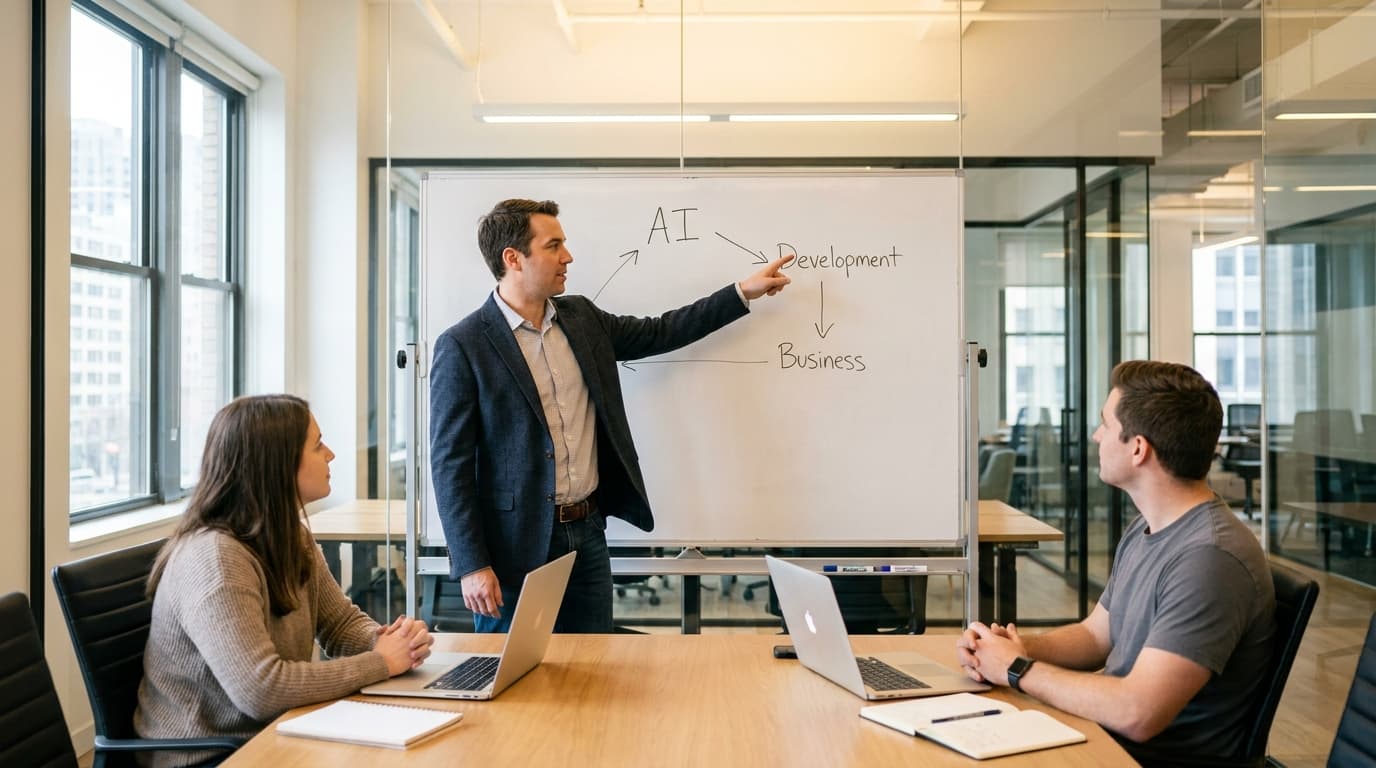
The hype around prompt engineers is over. The most difficult tech roles to fill are now hybrid positions requiring a rare mix of deep development skills, AI proficiency, and business acumen, according to a new CIO.com survey.