Short, verified tech briefings on AI, Cybersecurity, Infrastructure, Database, and Tech Updates — with the analysis and action steps engineering teams need.
A flaw in the popular nginx web server allows attackers to cause a denial of service using a specially crafted cookie. This can take websites and applications offline, requiring an immediate patch to prevent outages.
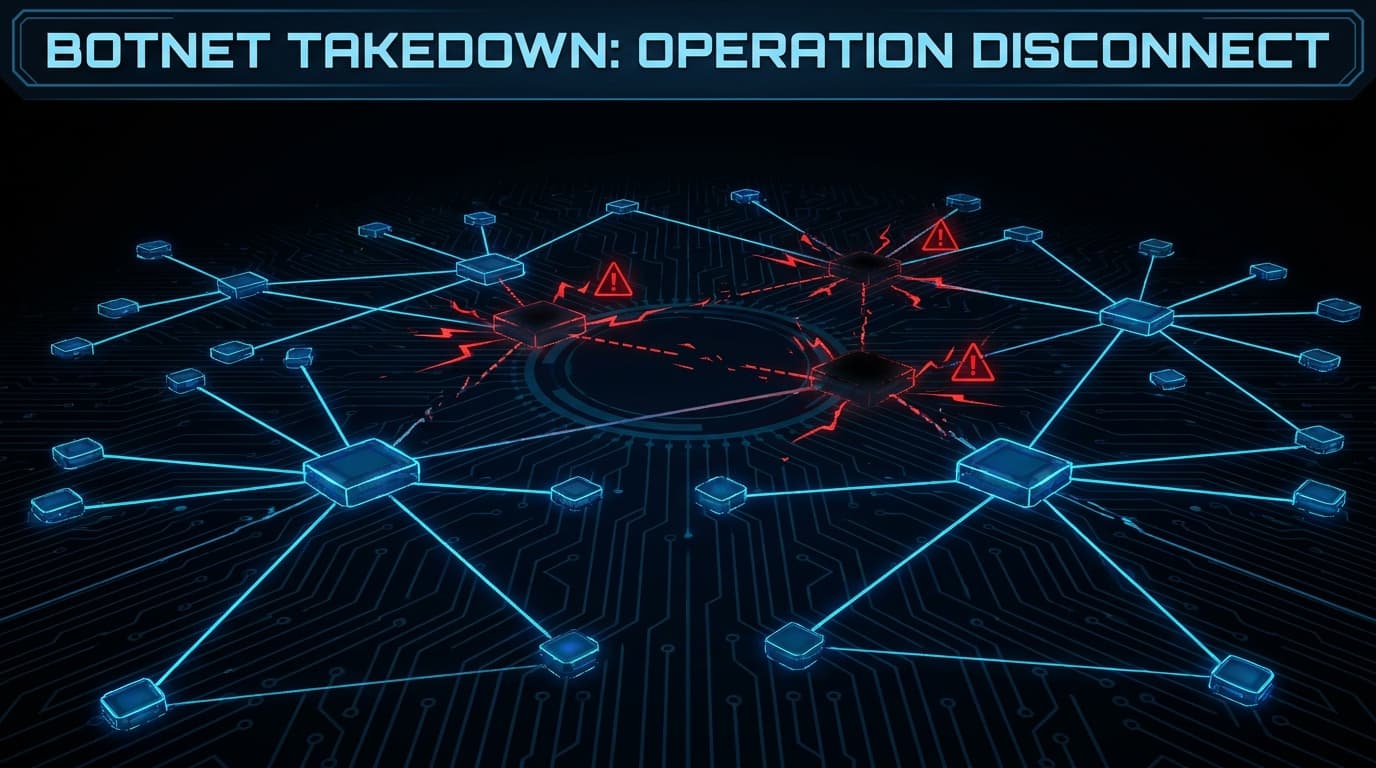
Dutch authorities, in a joint operation, have dismantled a massive botnet controlling over 17 million devices. The network, managed by 200 servers located in the Netherlands, was taken down following a tip from a security researcher and was being used for criminal activities.
European authorities, led by France and the Netherlands, have dismantled First VPN. The service was heavily promoted in Russia and used by criminals to hide their identities and infrastructure. The coordinated operation, supported by Europol and Eurojust, aimed to disrupt a key tool for illicit activities.
An INTERPOL-led operation shut down Sniper Dz, a phishing service that operated for a decade. The takedown, involving 13 countries, disrupts a major tool used by cybercriminals to launch attacks against businesses and individuals.
Microsoft has launched its new MAI-1 family of seven AI models. The release includes MAI-Code-1-Flash, a 7-billion parameter model optimized for generating code across more than 50 programming languages, aiming to boost developer productivity with high performance and efficiency.
Box founder Aaron Levie warns against "AI psychosis," where leaders replace jobs they don't fully understand. The commentary follows news that ClickUp laid off 22% of its staff, aiming to replace them with AI agents, highlighting a growing and controversial trend in the tech industry.
A Ninth Circuit panel has raised questions about Section 230, the law that shields online platforms from liability for user content. This development in the DOE v. Meta case signals growing judicial scrutiny and potential legal risks for tech companies relying on this foundational internet law.
A major surveillance company is upgrading its license plate readers to also detect phones, AirPods, and smartwatches. The system will link your personal devices to your vehicle, creating a vast, searchable database of people's movements.
A vulnerability has been discovered in the PCTCore64.sys Windows kernel driver, formerly part of PC Tools Internet Security. The driver lacks proper access controls, allowing any local user to send privileged commands. This creates an opening for privilege escalation via "Bring Your Own Vulnerable Driver" (BYOVD) attacks.
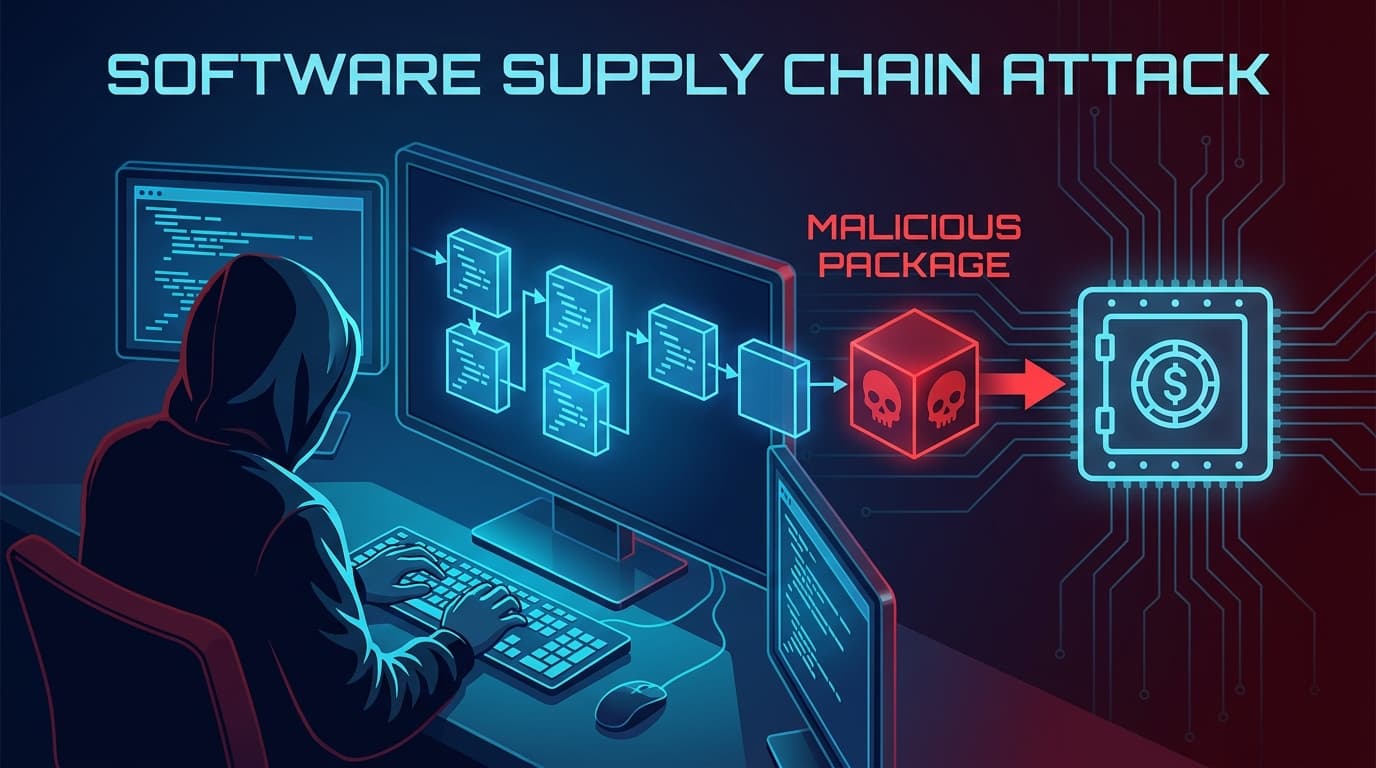
A malicious NuGet package, "Sicoob.Sdk," is impersonating a software development kit for a major Brazilian financial system. Versions 2.0.0 to 2.0.4 are designed to steal sensitive developer information, including client IDs and PFX certificates, posing a significant software supply chain security risk.
Several popular Laravel-Lang PHP packages were compromised in a software supply chain attack. Malicious code was injected to deliver a credential-stealing malware, posing a significant risk to applications using these packages and potentially exposing sensitive login information.
Multiple high-severity vulnerabilities have been discovered in NLTK, a popular Python library for natural language processing. The flaws could allow for remote code execution and arbitrary file writes, posing a significant supply chain security risk for applications using the library. Developers should update immediately.
The FBI reports Americans lost nearly $900 million to AI-powered scams. The figure, likely an underestimate, highlights a rapidly growing threat for businesses driven by voice cloning and deepfakes.
A critical remote code execution (RCE) vulnerability has been discovered in self-hosted Flowise deployments. Researchers found the flaw in the AI tool's Model Context Protocol implementation, and the official patch is reportedly easy to bypass, increasing the risk for users of the popular open-source platform.
Attackers are using AI to create convincing phishing emails at an unprecedented scale. This flood of alerts is overwhelming security teams, increasing the risk that a genuine credential theft or malware attack will be missed.
Crunchbase News has launched a tracker for layoffs in the U.S. tech sector. The resource, updated at least bi-weekly, includes data from both startups and publicly traded companies. It provides a valuable tool for founders and developers to monitor industry health and employment trends.
The traditional metrics used to value SaaS startups, like predictable revenue and high margins, are no longer enough. The rise of AI means founders must now adapt their business models and pitches to secure funding and stay competitive.
Researchers have disrupted the Glassworm botnet, which targeted developers through software supply-chain attacks. The operation was notable for its resilient command-and-control infrastructure, which uniquely leveraged Solana blockchain transactions and the BitTorrent network to evade detection and takedown efforts, highlighting new threat vectors.
A critical, unpatched vulnerability has been found in Gogs, a popular self-hosted Git service. The flaw allows for argument injection, potentially leading to remote code execution. The lack of a patch highlights risks associated with some open-source projects with limited maintainer support.
GitHub is improving its secret scanning to reduce false positives. This update aims to make security alerts more trustworthy, helping developers spend less time on noise and more time fixing real security vulnerabilities.
Google has introduced Gemma 4, a new version of its open model. It uses multi-token prediction to generate tokens up to three times faster without sacrificing quality. This major performance boost can significantly reduce inference costs and improve user experience for developers and businesses.
A popular npm package called 'codexui-android', which claims to be a web UI for OpenAI Codex, is actually malware designed to steal developer authentication tokens. The package has over 29,000 weekly downloads and is reportedly still available from the npm repository.
A third-party website used for UK visa applications exposed thousands of applicants' sensitive personal data, including passports, selfies, and location information. When notified, the company reportedly responded with legal threats instead of immediately addressing the vulnerability, highlighting significant third-party vendor risks.
A new espionage-focused hacking group, likely linked to China, is targeting Microsoft IIS web servers. The group, called OP-512, uses a custom web shell framework to gain persistent access and steal information from corporate networks.