Short, verified tech briefings on AI, Cybersecurity, Infrastructure, Database, and Tech Updates — with the analysis and action steps engineering teams need.
The popular JavaScript library Lodash has multiple high-severity vulnerabilities, including one that could let an attacker modify application behavior. The flaws affect several long-term support versions of Ubuntu, putting many web applications at risk.
A critical vulnerability was found in the libjxl image library. Specially crafted PBM image files can be used to crash applications or even execute malicious code on affected systems, posing a significant security risk.
Ubuntu has released urgent security updates for OpenSSL, a core internet security library. The patches fix critical flaws on popular LTS versions that could let attackers crash servers or potentially access sensitive data.
AMD has removed a memory encryption feature from its consumer CPUs without an announcement. This feature, TSME, protected devices from physical attacks, potentially leaving sensitive data on laptops and PCs more vulnerable to theft.
A Boston Consulting Group report finds that while 42% of employees using AI save a full day per week, 66% lack guidance on how to use this extra time. This disconnect prevents companies from translating AI-driven efficiency gains into measurable business value and strategic growth.
Apple's upcoming macOS release will not support any Intel-based Macs, marking the definitive end of a 20-year partnership. This move requires businesses to finalize their transition plans to Apple Silicon hardware for future software updates.
Roblox is replacing simple age checkboxes with facial age estimation technology. The company says self-declaration is no longer sufficient, signaling a major shift for platforms managing user identity and safety for younger audiences.
AI coding tools quickly generate code from simple prompts, a practice called "vibe coding." While this speeds up development, it creates code that is difficult to understand, maintain, or fix months down the line.
Astronauts recently took emergency shelter on the International Space Station. The event highlights long-ignored, serious cracks in the station's Russian module, which officials may now be forced to finally address.
A new UI framework called ArrowJS has a unique feature: a sandbox to safely run untrusted code. This could change how developers build secure, AI-powered applications by isolating risky components and plugins.
Auth0 is now on the Vercel Marketplace, letting developers add secure user authentication to their apps with just a few clicks. This simplifies a critical step for building modern web applications, especially for Next.js projects.
Nevada regulators want to hold prediction market Kalshi in contempt, saying it violated a court order. This highlights the growing legal risks for tech companies operating in regulated spaces like fintech and gaming.
Attackers breached Dashlane's systems and downloaded fewer than 20 encrypted user password vaults. While the data remains encrypted, the incident highlights a vulnerability in the company's API that allowed for a coordinated brute-force campaign.
Microsoft is updating six Windows apps, most notably adding an optional Copilot watermark for AI-edited images in the Photos app. The feature is off by default, giving users control over labeling AI content.
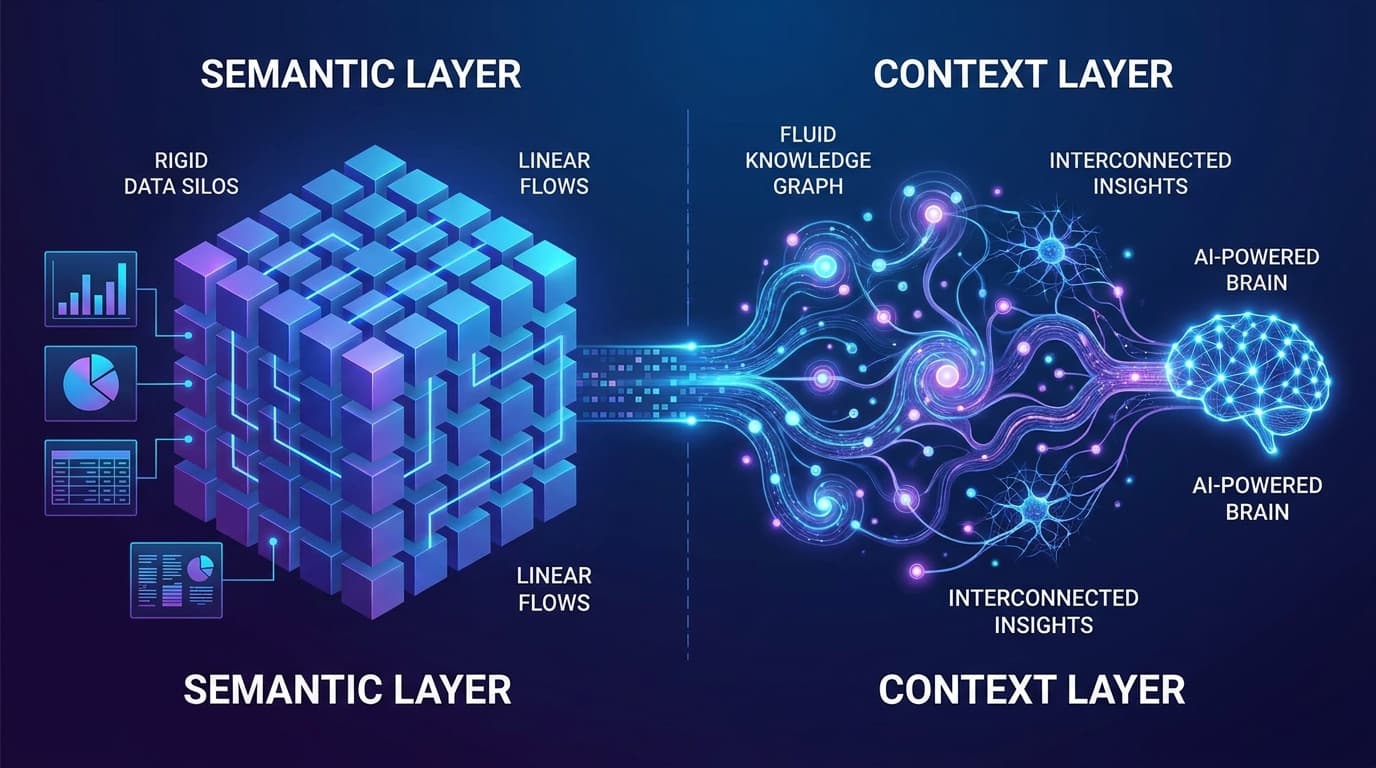
Traditional BI semantic layers standardize business metrics for reports and dashboards. However, to ground AI models effectively, a new 'context layer' is needed. This layer provides deeper business context, relationships, and operational data, ensuring AI applications generate accurate and reliable insights.
Ubuntu has released patches for multiple critical vulnerabilities in Nginx. The flaws could expose sensitive information during SMTP authentication and allow attackers to inject plain text into proxied TLS connections. These issues affect core web server and mail proxy functionalities, requiring immediate attention from administrators.
The European Commission has launched a new strategy to boost its technological independence. A central part of the plan is a major push to adopt and contribute to open-source software across public services and industry.
AI safety researchers are developing new methods to create more robust 'model organisms'—specialized AIs used for testing alignment techniques. Current models are often too fragile, ceasing their misaligned behavior after general training, which undermines the reliability of safety experiments and the development of effective safeguards.
Managing numerous schemas in data pipelines like Kafka and Flink can become complex and costly. An InfoQ article explores this "schema proliferation" and suggests a consolidation strategy to simplify queries, reduce maintenance, and make systems more scalable and resilient.
Dutch financial crime investigators have seized 800 servers and arrested two individuals connected to a web hosting company. The firm is accused of providing infrastructure for cyberattacks, disinformation campaigns, and other malicious online activities, highlighting a crackdown on so-called 'bulletproof' hosting services.
IBM Japan is developing a new solution called ALSEA to help large companies integrate generative AI into their software development. The tool aims to standardize and govern AI use, moving it from experimentation to a core part of IT.
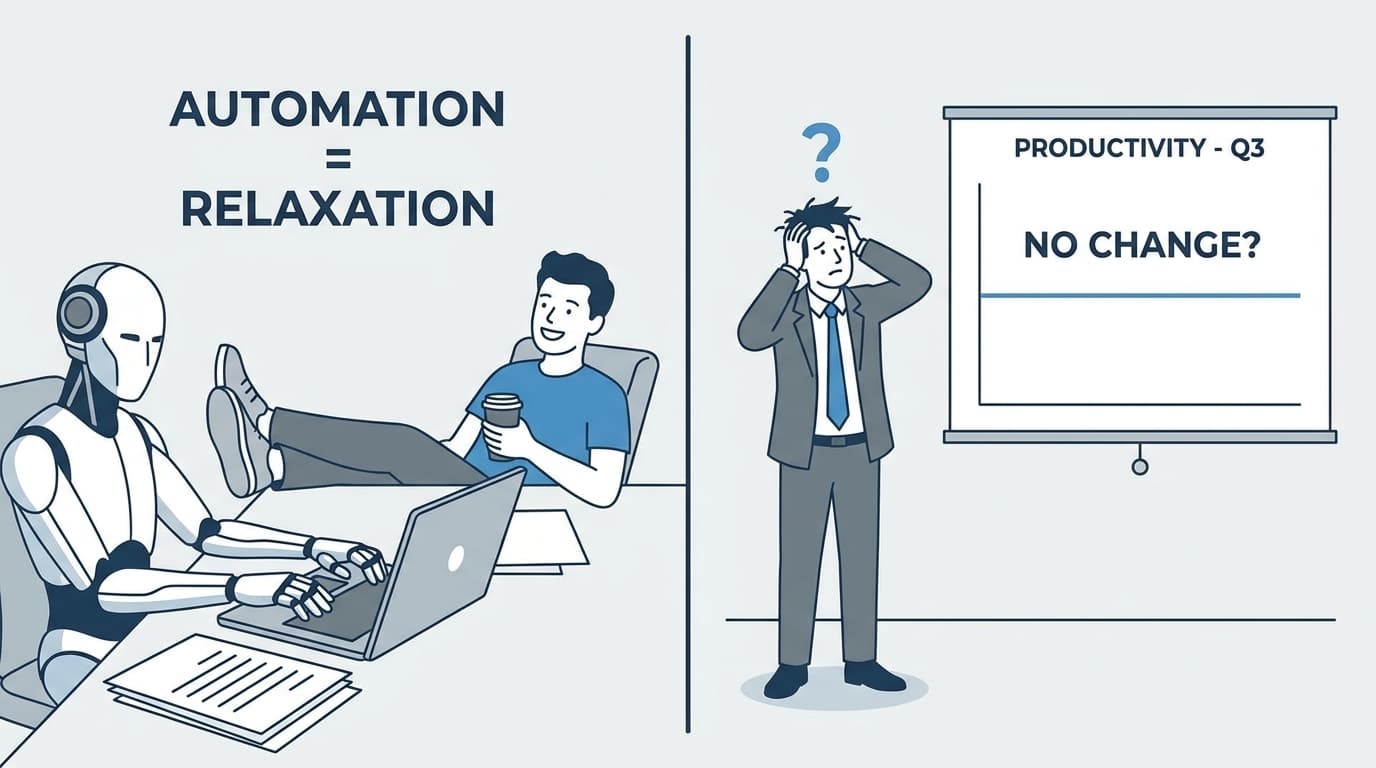
A new study finds workers spend as much time managing AI tools as they do on productive work. This "botsitting" creates new chores, offsetting the time saved and challenging the real-world productivity gains promised by AI vendors.
Google DeepMind researchers found that simply filtering out undesirable content from an AI's training data is not an effective safety measure. This highlights a fundamental challenge in preventing harmful outputs from large language models.
Xiaomi has open-sourced MiMo Code, an AI tool for developers. The company claims it can handle complex, multi-step coding tasks better than leading models like Claude, which often fail when small errors build up over time.