Short, verified tech briefings on AI, Cybersecurity, Infrastructure, Database, and Tech Updates — with the analysis and action steps engineering teams need.
Drupal has issued security updates for a highly critical vulnerability in its Core software, tracked as CVE-2026-9082. The flaw affects sites using a PostgreSQL database and could allow attackers to execute remote code, escalate privileges, or access sensitive information. Immediate patching is strongly recommended.
Ubuntu has released a security update for the Linux kernel used in Intel IoTG real-time systems. The patch addresses several vulnerabilities in the SMB network file system, Netfilter, and io_uring subsystems. If left unpatched, an attacker could potentially use these flaws to compromise an affected system.
Microsoft has taken down a major malware code-signing service that enabled ransomware groups to make their malicious software appear legitimate. The operation involved seizing a website, revoking over 1,000 abused certificates, and shutting down hundreds of virtual machines hosted on Azure.
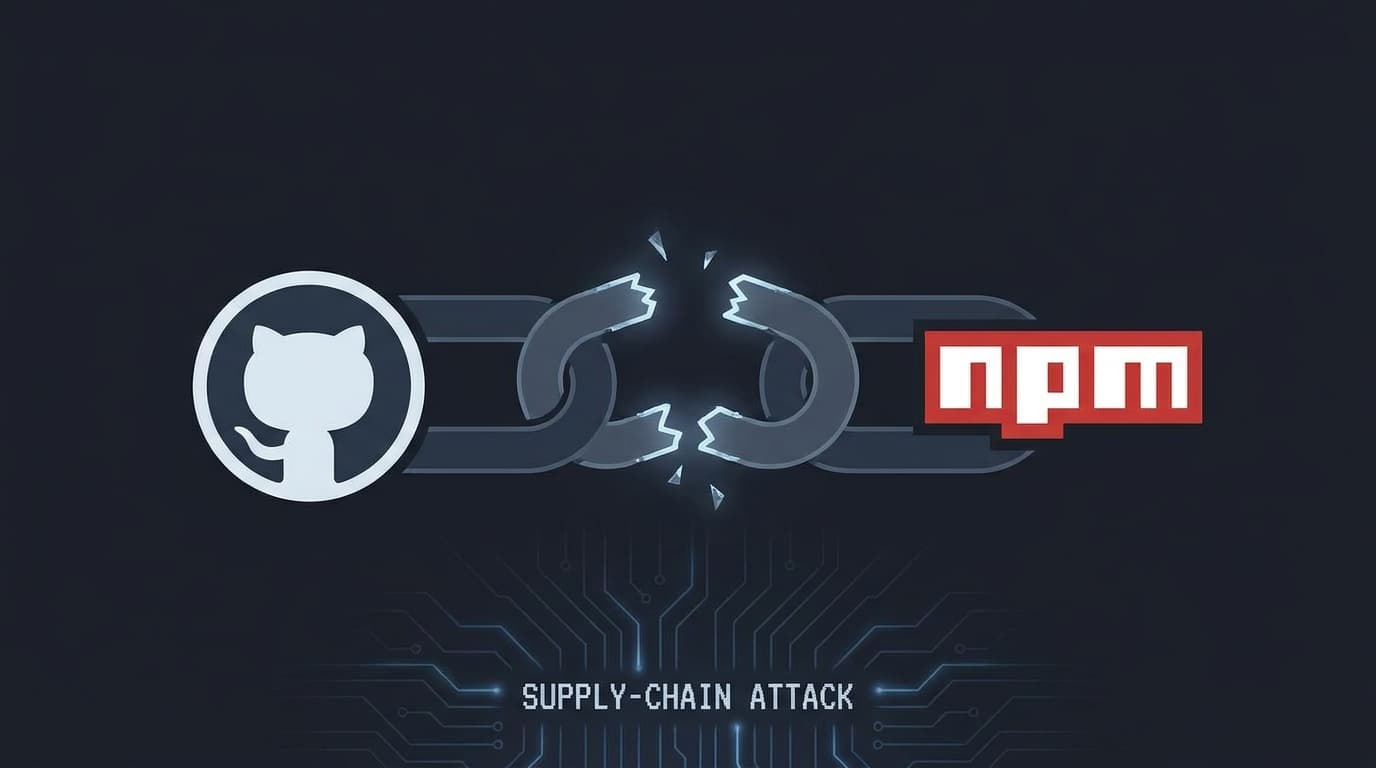
GitHub has disclosed a security breach where an attacker gained unauthorized access to its internal repositories. The compromise originated from a malicious third-party VS Code extension on an employee's device. While thousands of internal repos were exfiltrated, GitHub reports no evidence of impact on customer data.
GitHub has confirmed that a recent breach of 3,800 internal repositories was caused by a malicious VS Code extension. The extension was compromised in a wider supply-chain attack targeting the popular TanStack npm packages, highlighting the growing risks of software dependencies.
A new report highlights that traditional security benchmarks are ineffective for evaluating AI systems. Unlike standard software, AI security is an emergent property that cannot be measured by simple tests, challenging teams to rethink how they approach securing their AI models and applications.
Companies are discovering that popular AI features can become unprofitable. While user engagement and adoption metrics look positive, the operational costs of using AI APIs can grow unexpectedly. This creates a difficult economic reality where the cost to run the feature scales directly with its success.
Microsoft has launched three new Surface devices for business customers: the Surface Pro 12, Surface Laptop 8, and a 13-inch Laptop model. These devices feature Intel's latest Core Ultra Series 3 processors, business-centric upgrades, and notably higher starting prices.
Google's SynthID, a technology for watermarking AI-generated content, is being adopted by major players like OpenAI and Nvidia. The tool has already been used to label 100 billion images and videos, aiming to help users distinguish between real and synthetic media as AI content improves.
Google has released new Android command-line tools to support the growing use of AI coding agents. These tools are designed to integrate with AI platforms like Claude Code and OpenAI's Codex, enabling developers and their AI assistants to build and manage Android applications more efficiently.
Google has announced Gemini 3.5 Flash, a new AI model designed for speed and efficiency. The company claims it offers high-level intelligence comparable to larger models but at a lower cost. It is now available for developers through platforms like the Vercel AI Gateway and across Google products.
Microsoft has launched new versions of its Surface Pro and Surface Laptop, initially featuring Intel's latest Core Ultra Series 3 processors. This strategy prioritizes Intel chips, with models powered by Qualcomm's Snapdragon X2 processors expected to be released later in the year for business customers.
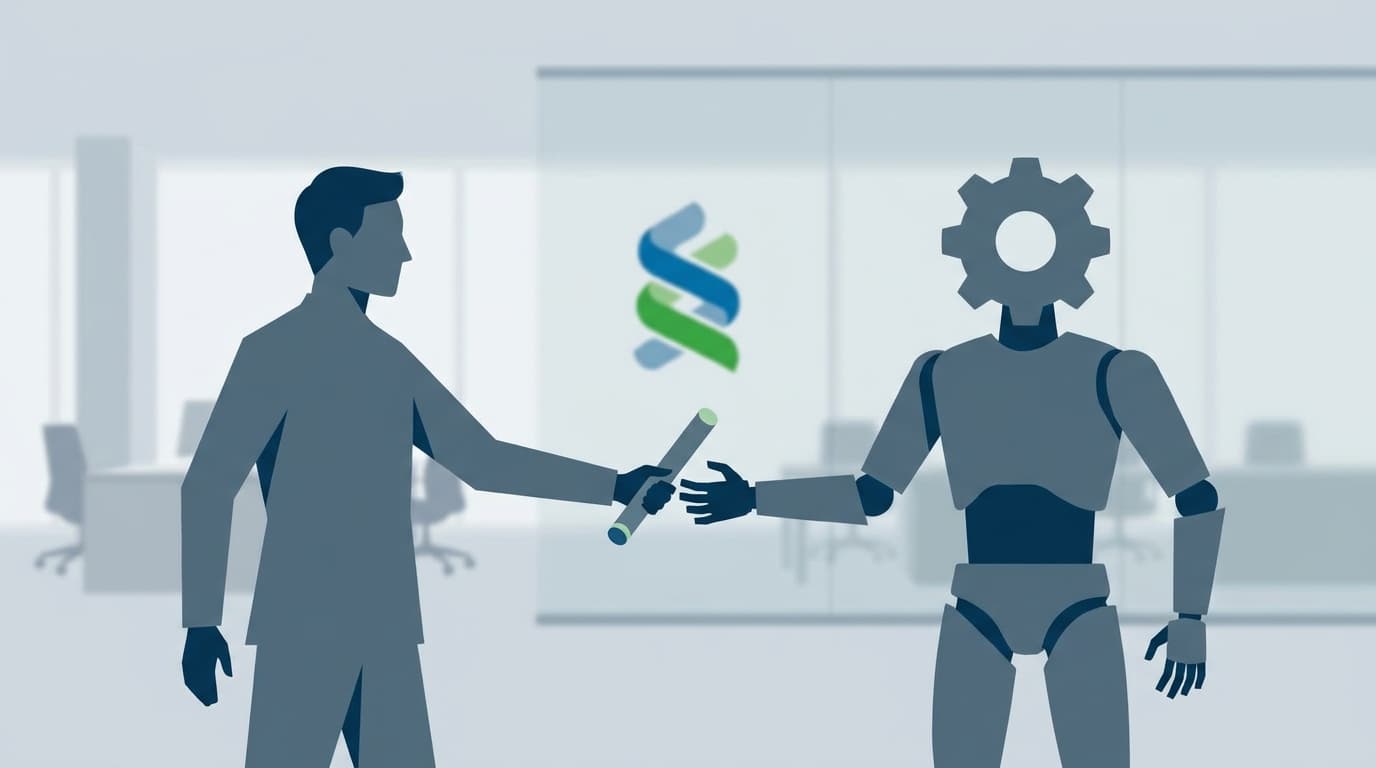
Standard Chartered plans to cut over 7,000 jobs by 2030, replacing what its CEO calls "lower-value human capital" with AI and automation. The bank states this is an investment in technology, not just a cost-cutting measure, and will offer retraining opportunities to affected staff.
Esports gamification startup Lucra secured $20 million in funding from Cathie Wood's ARK Invest. The funding is notable because the company did not center its pitch on AI, a departure from current trends where AI is a key focus for investors, showing other tech sectors can still attract capital.
Forge is a new open-source tool that adds a reliability layer to self-hosted large language models. It uses 'guardrails' to improve performance on complex tasks, boosting an 8B model's success rate from 53% to 99% without modifying the model itself, making local AI agents more effective.
Google DeepMind has enhanced its Genie world model by integrating it with Street View. This allows the AI to create interactive, explorable simulations of real-world environments, aiming to advance applications in robotics, gaming, and virtual travel by simulating various conditions and scenarios.
Generative AI media platform fal has named AWS its preferred cloud provider. The partnership aims to address the significant infrastructure and compute demands required for real-time AI media generation, supporting fal's 2.5 million developer users and simplifying GPU management.
The FBI has announced plans to purchase access to a nationwide network of license plate readers. The agency is seeking contracts with vendors who can provide "near real-time" data from cameras across the U.S. to track subjects for its Directorate of Intelligence.
A Netlify user is unable to add a custom subdomain to their site, receiving an error that the domain is already in use. Despite being the administrator and creating a verification TXT record, the user requires manual intervention from Netlify's support team to release the domain.
Google has introduced a new $100/month AI Ultra plan, positioning it between its existing tiers. The company also reduced its top-tier plan from $250 to $200 and is shifting from prompt limits to a compute-used model, aligning its pricing structure with major competitors.
Anthropic has launched new features for its Claude Managed Agents, allowing them to connect to internal enterprise APIs and databases without carrying credentials. This addresses a major security concern by letting teams run tool execution within their own infrastructure, preventing potential token leaks.
At its I/O conference, Google announced plans to make Chrome and the web 'agent-ready.' The initiative introduces new features and specifications designed to help AI agents interact with websites, signaling a fundamental shift for developers in how web applications will be built and used.
A lawsuit against Vizio is heading to trial over its Linux-based smart TV software. The Software Freedom Conservancy argues Vizio must release its source code under GPL rules, which would let users modify their TVs to remove ads and tracking. The outcome could impact the entire industry.
Microsoft has released two open-source tools, RAMPART and Clarity, to improve the safety of AI agents. As AI systems increasingly perform actions on behalf of users, these tools help developers test for security risks and validate assumptions throughout the development workflow, making agentic AI safer.