Marvell Uses Light to Create Huge GPU Memory Pools
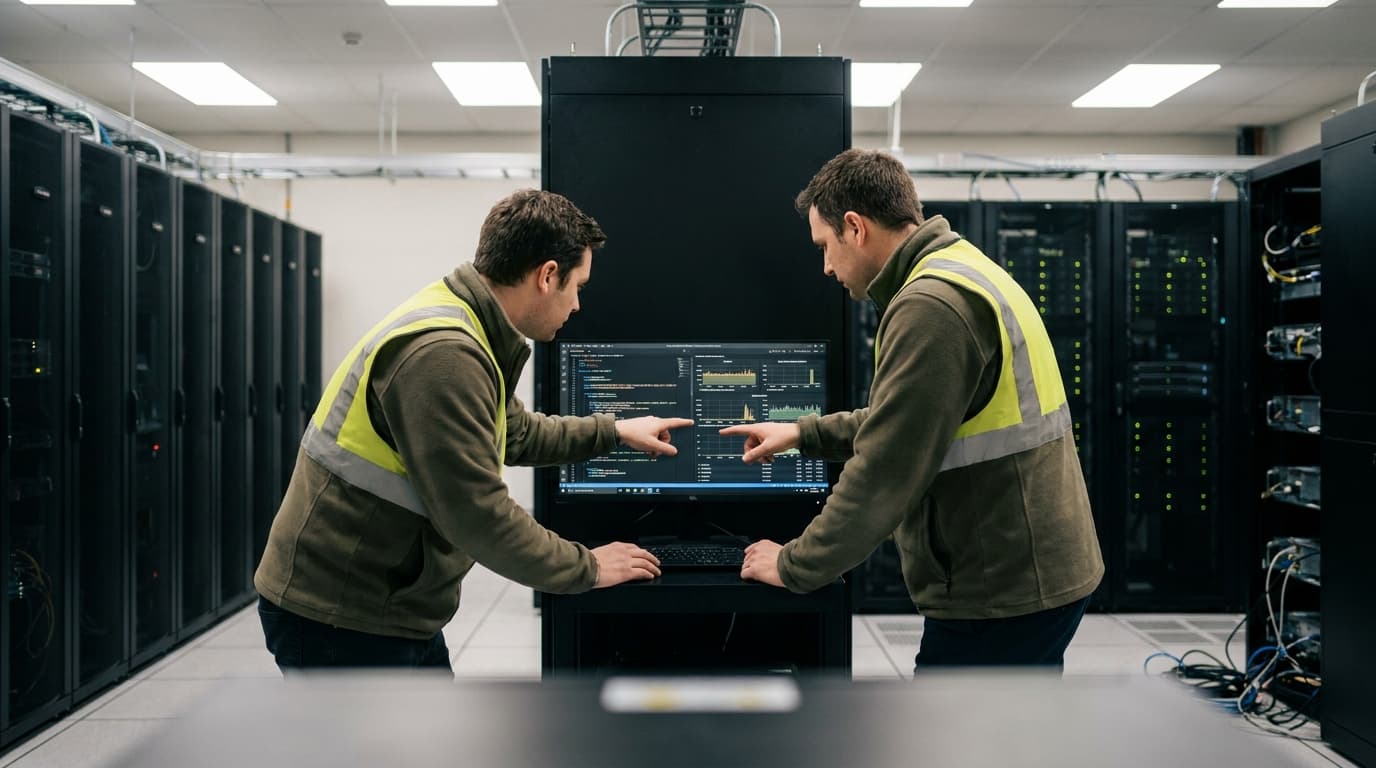
Marvell is developing a new system that uses light to let up to 16 GPUs share a massive 32TB pool of memory. This could dramatically lower the cost of building large-scale AI infrastructure.
19 verified briefings on Nvidia. Each story includes a plain-English summary, why it matters, and the concrete action engineering teams should take.

Marvell is developing a new system that uses light to let up to 16 GPUs share a massive 32TB pool of memory. This could dramatically lower the cost of building large-scale AI infrastructure.

A former Nvidia robotics lead argues that Physical AI is still in its 'Lego era.' The basic hardware and software building blocks for robotics are not yet mature, challenging the idea that a single large AI model can solve everything.

Nvidia raised the price of its seven-year-old Shield TV Pro by $100, a 50% increase. The move highlights severe, ongoing memory shortages and supply chain pressures that continue to affect even older consumer electronics.

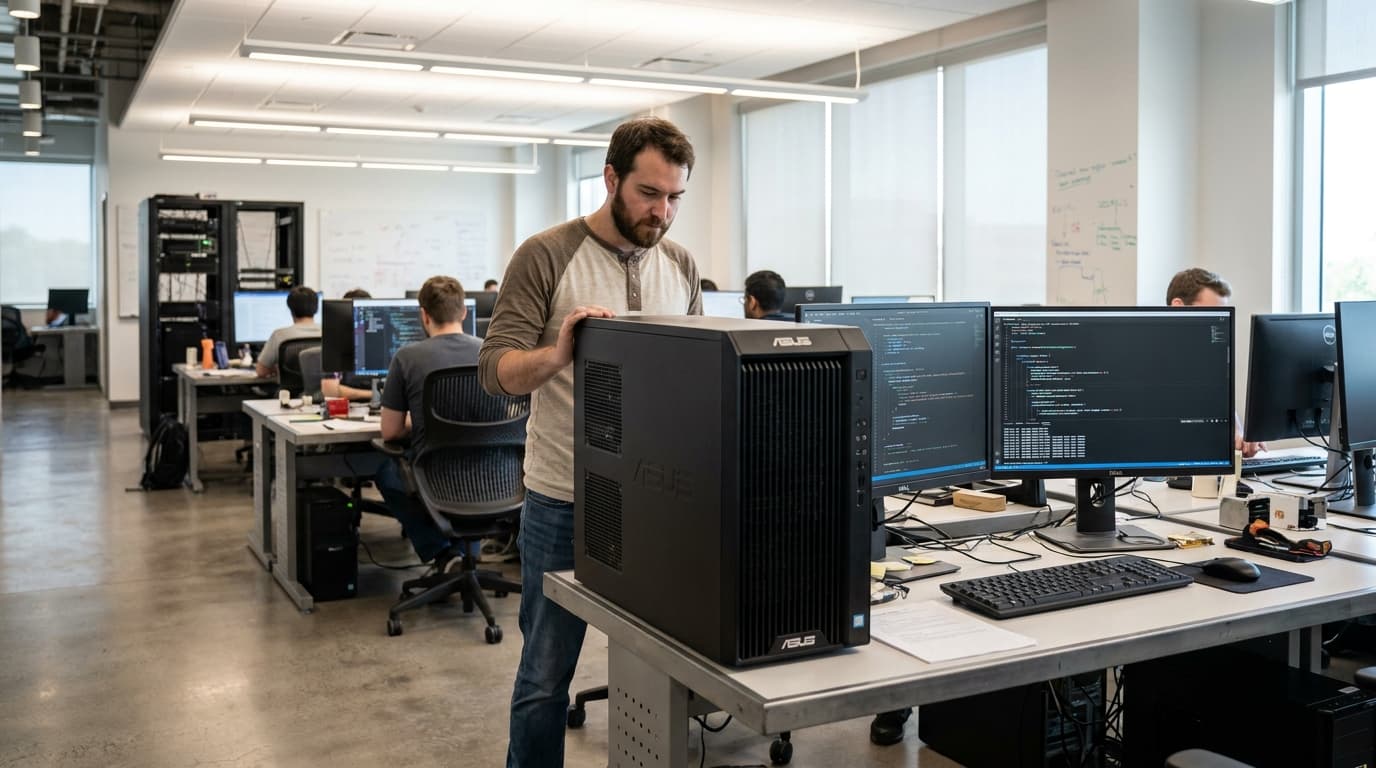
Asus released a new workstation powered by Nvidia's GB300 Grace Blackwell superchip. The $120,000 machine offers 748GB of unified memory, bringing on-premise AI supercomputing power to a desktop form factor for elite development teams.

AI agents can now write low-level code for AMD's GPUs, a task once reserved for specialists. According to an AMD executive, this dramatically lowers the barrier to high-performance computing and challenges NVIDIA's dominance.

NVIDIA Research is using formal methods, a mathematical approach for verifying software, to control AI agents. This technique aims to make AI more predictable and secure by proving it will adhere to predefined safety rules and policies.

Nvidia is rapidly increasing its startup investments, joining regulars like Y Combinator as a top backer in August. This signals a major shift in the venture landscape, driven by the AI boom.

Amazon Web Services is massively expanding its AI infrastructure, planning to add two million more Nvidia GPUs by 2028. This move signals the immense, ongoing demand for AI computing power among cloud customers.

Nvidia has released NeMo Switchyard, a new tool for model routing. It helps developers automatically send AI prompts to the most cost-effective model, addressing the growing problem of high inference expenses for businesses.

Nvidia's edge AI platform will power a lunar rover's navigation system starting in 2026. This collaboration with Lunar Outpost tests autonomous technology in one of the most extreme environments, paving the way for future space exploration.

Reflection AI will pay SpaceX $150 million monthly for access to Nvidia's newest GB300 chips. The deal highlights the intense, high-stakes competition for elite AI computing power and SpaceX's new role as a major infrastructure provider.

Nvidia defines an AI agent as simply a large language model plus a "harness" to connect it to tools. This view shapes its support for frameworks like OpenClaw, signaling a key direction for developers building autonomous AI systems.

Nvidia has officially retired its GeForce Control Panel after 20 years, replacing it with the new Nvidia App. The company has migrated all actively supported features to the new application, which unifies GPU management tools into a single, modern interface for all users.

Nvidia has announced Cosmos 3, a new foundational model designed for physical AI reasoning and robotics. It aims to help developers create world and action models, enabling AI agents to understand and interact with the physical world more effectively. This release targets researchers and developers in embodied AI.

Ubuntu has patched several high-severity Linux kernel vulnerabilities affecting the NVIDIA Tegra IGX platform. The most critical flaw, known as "Copy Fail," could allow a local attacker to escalate privileges or escape a container, posing a significant risk for industrial and edge AI systems.

RealWorld has unveiled RLDX-1, a new foundation model designed to give five-fingered humanoid robot hands advanced dexterity. The model was developed and is operated entirely on NVIDIA's technology stack, from cloud-based H100 GPUs for training to Jetson Orin for edge deployment, demonstrating a comprehensive implementation.

Ubuntu has released a security update for the Linux kernel used in NVIDIA Tegra systems. The update addresses several vulnerabilities in network drivers, NVME drivers, and Netfilter that could allow an attacker to compromise an affected system. Applying the patch is recommended for all users.

Google's SynthID, a technology for watermarking AI-generated content, is being adopted by major players like OpenAI and Nvidia. The tool has already been used to label 100 billion images and videos, aiming to help users distinguish between real and synthetic media as AI content improves.

A new GitHub repository, "awesome-cuda-books," has been shared on Hacker News. It provides a curated list of books for learning CUDA, NVIDIA's parallel computing platform. The resource is aimed at developers looking to deepen their understanding of GPU programming for high-performance computing and AI applications.