Short, verified tech briefings on AI, Cybersecurity, Infrastructure, Database, and Tech Updates — with the analysis and action steps engineering teams need.
Vercel now allows developers to make their container repositories public. This lets any Vercel user pull and use images, simplifying distribution for open-source projects and public tools, a feature common on other major cloud platforms.
A new programming language called Wyzer has been created to improve safety in distributed systems. It uses novel techniques to prevent common bugs that are difficult to catch in complex, multi-server applications.
Cloudflare launched Kitesurf, a cloud-hosted browser built specifically for AI agents, not people. It uses less computing power than standard browsers, making it cheaper and more efficient for developers to build and run automated tasks.
Bending Spoons, owner of Evernote and WeTransfer, has acquired low-code platform Airtable. The deal highlights the intense pressure AI-powered tools are putting on established SaaS companies, forcing them to adapt or be acquired.
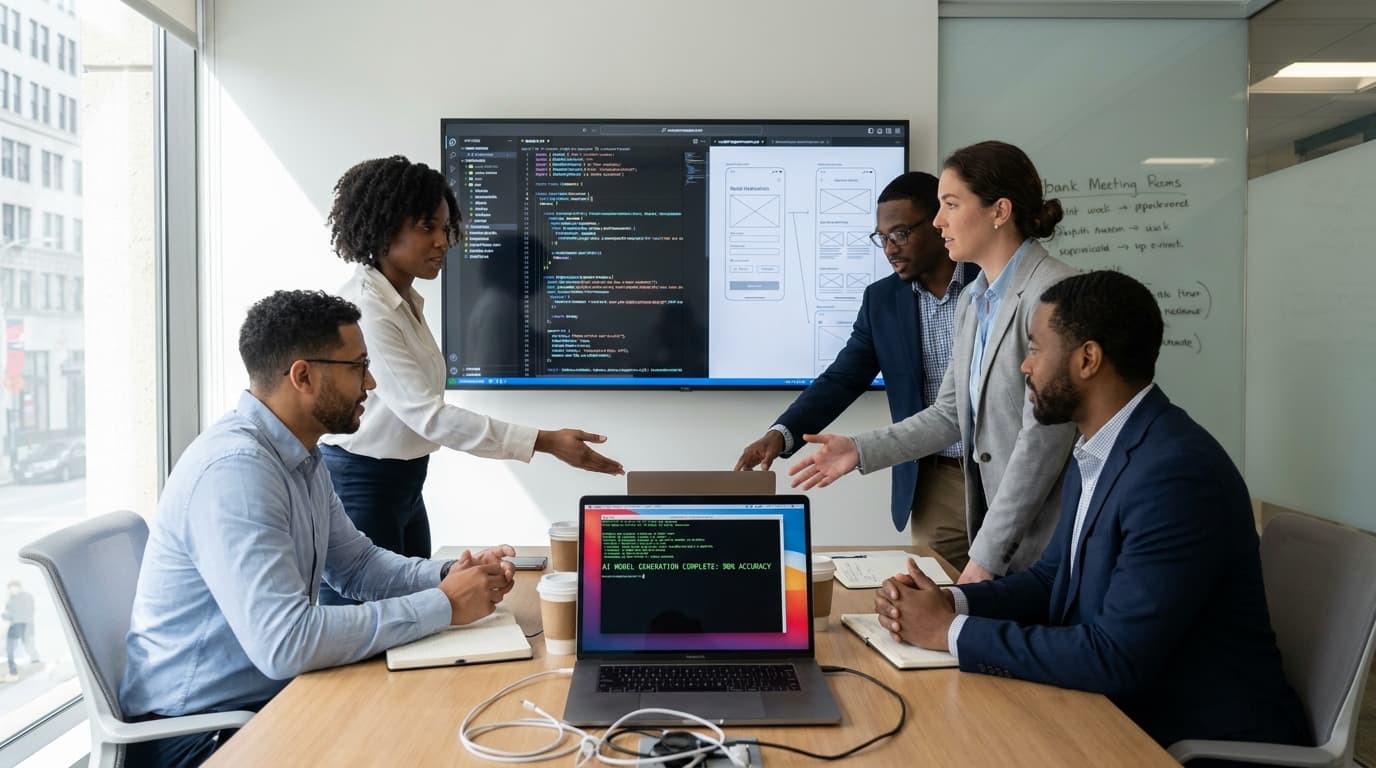
Generative AI is moving beyond chatbots and is now being embedded directly into the banking application development process. This shift helps banks build software faster and with better regulatory compliance.
LG Display has a new, simpler OLED panel technology that is cheaper to produce. This innovation will lead to more affordable, energy-efficient, and higher-quality OLED TVs and monitors for businesses and consumers.
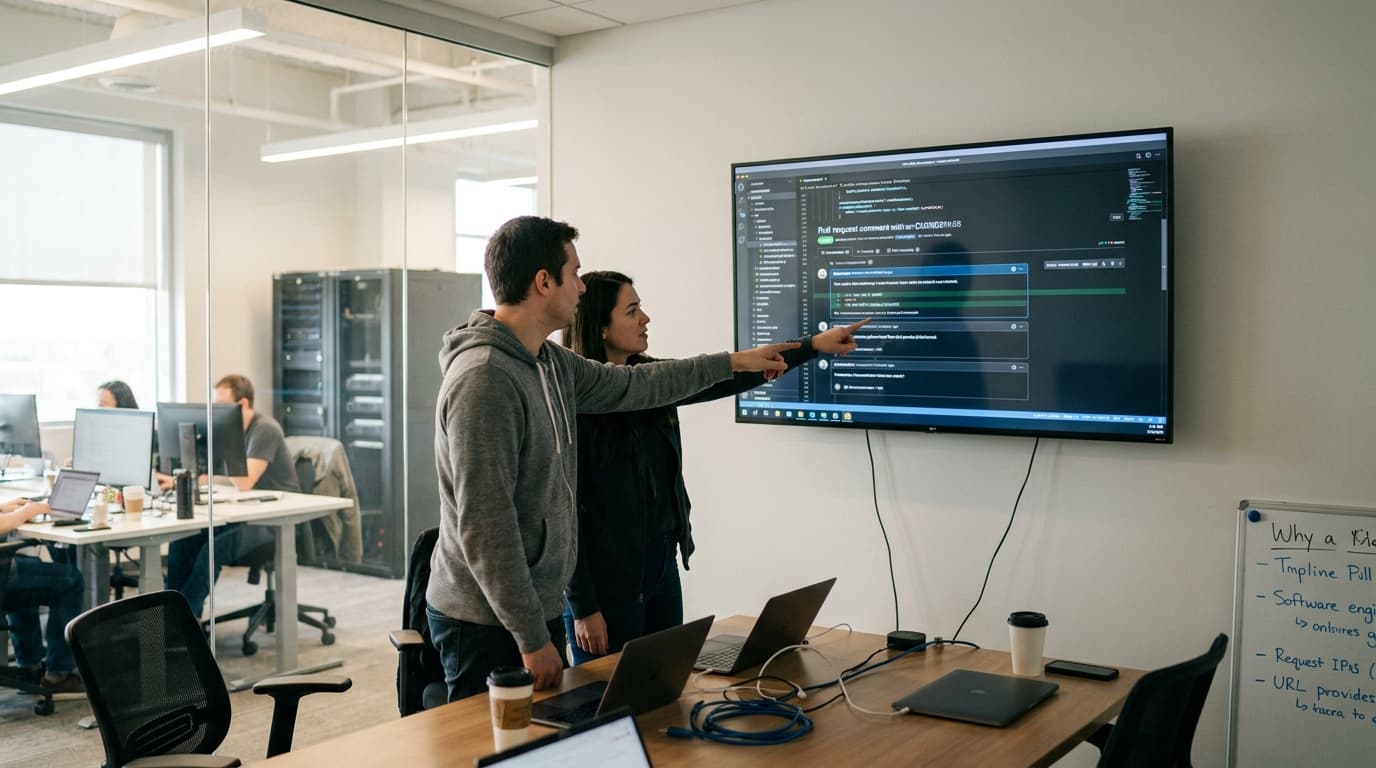
Spotify created an AI coding agent called "Honk" to automatically update its massive codebase. This helps them manage technical debt and standardize code across thousands of repositories, offering a model for large-scale software maintenance.
Alaska Airlines successfully merged its core passenger booking system after a major acquisition. The project is a valuable case study for any leader navigating the complexities of post-merger technology integration.
Waymo's co-CEO argues camera-only systems can't achieve full self-driving, only matching human drivers at best. This directly challenges Tesla's approach, stating that Lidar and radar are non-negotiable for safe, fully autonomous vehicles.
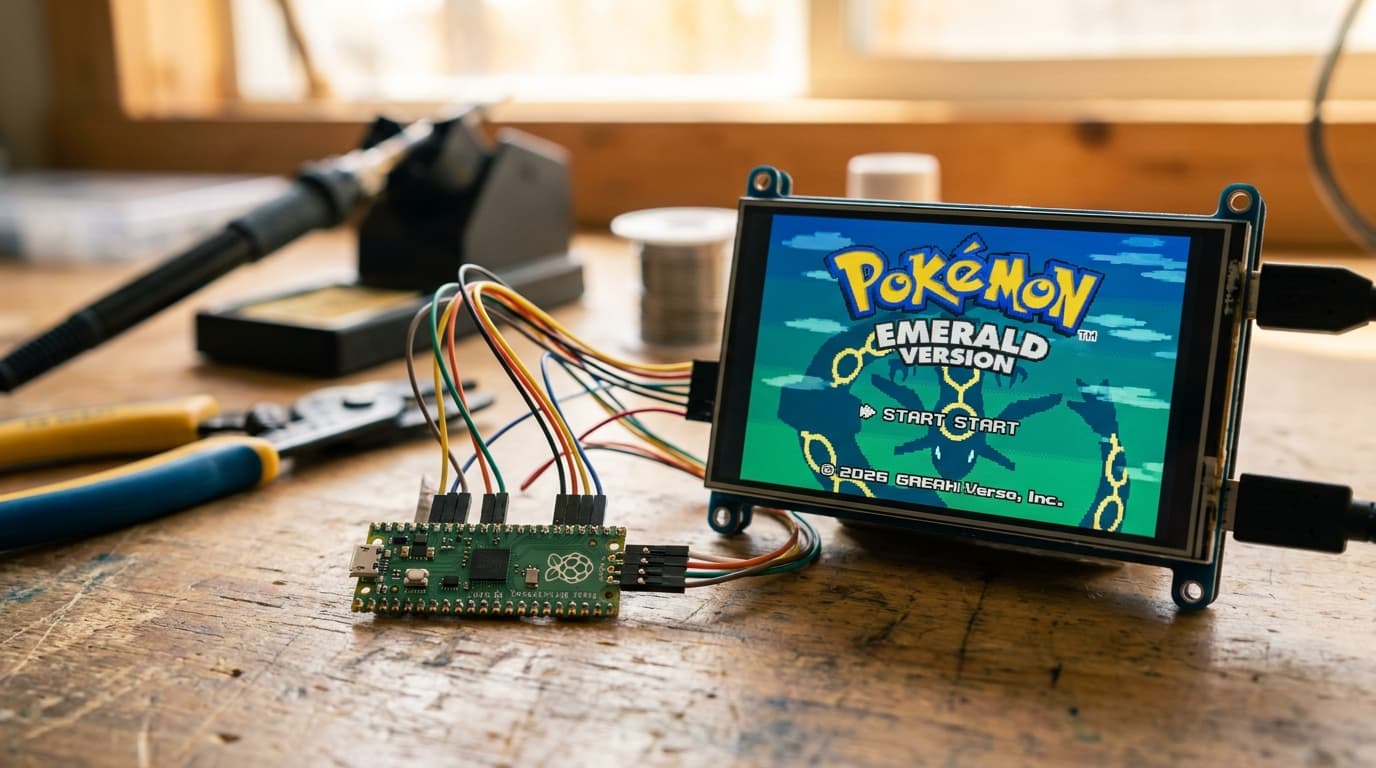
A developer has successfully ported Pokémon Emerald to the new Raspberry Pi Pico 2. The game was recompiled to run natively without an emulator, showcasing the impressive power of the tiny RP2350 microcontroller for complex software projects.
A federal court has ruled that "tower dump" warrants are unconstitutional. This decision protects user privacy by preventing law enforcement from collecting location data from every phone connected to a specific cell tower, a major win for digital privacy.
AWS has launched Dogwood, a new open-source tool for AI agents. It prevents them from taking individually valid actions that become dangerous in sequence, giving developers more control over agent safety and reliability.
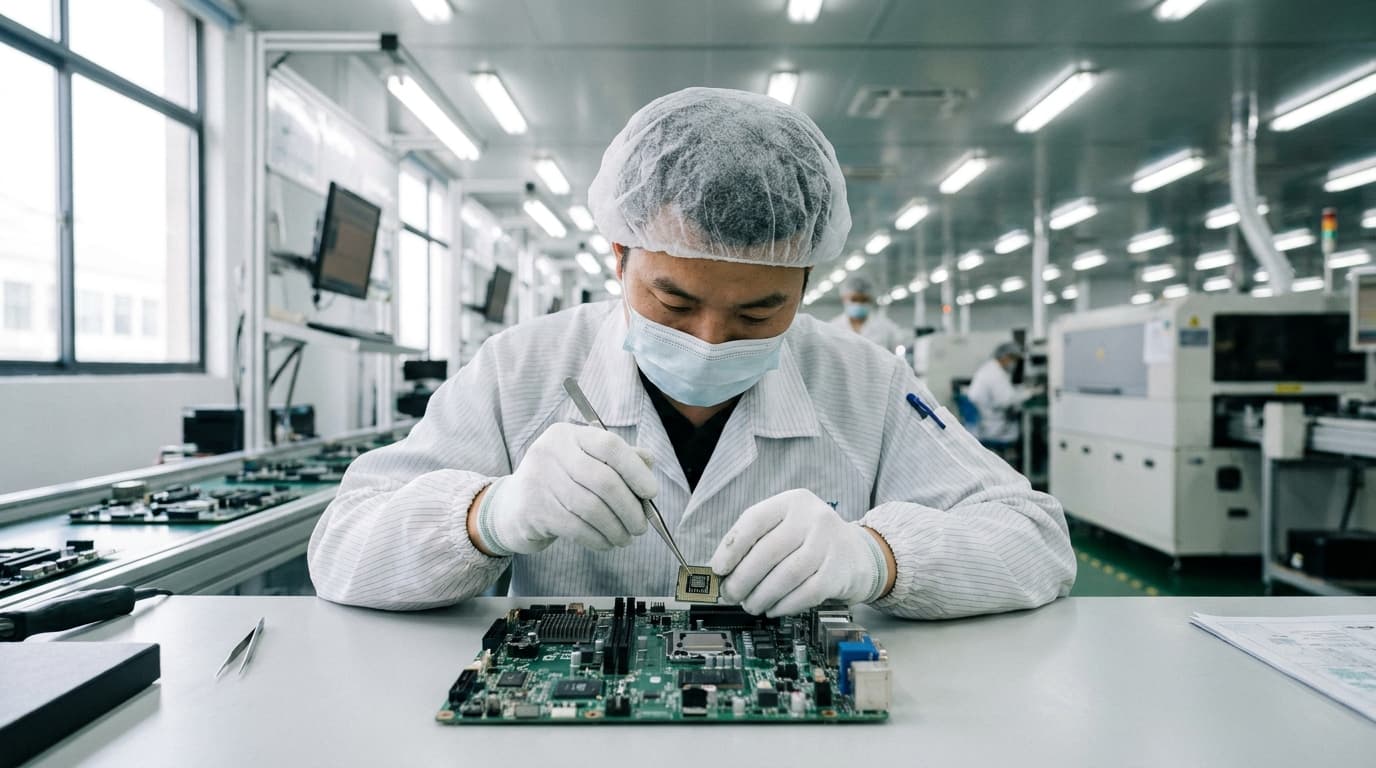
Major PC makers like HP and Asus are now using memory chips from Chinese supplier CXMT. This move diversifies their supply chain away from the few dominant players, signaling a potential shift in the global semiconductor market.
TikTok blamed a 'moderator error' for its slow removal of a harmful livestream. The incident reveals the persistent challenges and risks of relying on human moderators for real-time content safety on massive platforms.
Gaming giant Capcom announced that 90% of its game unit sales are now digital. This shift protects the company from the decline of physical media and signals a major trend for the entire software industry.
Vercel has added Ling 3.0 Tiny, a new AI model from Ant Group, to its AI Gateway. It features a massive 256K context window and is free to use for a limited time, offering developers a powerful new tool.
GitLab's Secrets Manager now works with Terraform and Kubernetes via the External Secrets Operator. This lets teams stop managing separate secret stores, simplifying workflows and boosting security by having one central place for all credentials.
A growing bipartisan movement is successfully blocking new data center construction. This local opposition creates a significant physical and regulatory risk for the future of cloud and AI infrastructure, potentially driving up costs and limiting scalability.
AI startup Mirendil is spending over $100 million on Google Cloud to build self-improving AI systems. The deal highlights the massive computing power now required for next-generation AI research aimed at accelerating scientific discovery.
Dolby is rolling out its next-generation HDR format, Dolby Vision 2, with Hisense as its exclusive launch partner for new TVs. The move, supported by streamers like Peacock, signals a new battleground for premium content and display technology.
Sony is reportedly putting labels on new PS5 boxes, warning that it will end physical disc production in January 2028. This move signals a complete shift to digital distribution for its flagship console.
A common database architecture using proxies adds hidden costs and latency to AI systems. A direct-access pattern with Valkey can achieve microsecond speeds, improve resilience, and cut infrastructure spending.
A new approach for running AI agents on Kubernetes argues that assigning one pod per agent is wasteful. Instead, a shared pool of worker pods can run many agents, saving resources and improving efficiency for AI-native applications.
Vercel Labs has released an experimental programming language called Zero, designed for AI agents, not humans. This signals a future where developers manage AI that writes code, aiming for faster, more automated software creation.