Short, verified tech briefings on AI, Cybersecurity, Infrastructure, Database, and Tech Updates — with the analysis and action steps engineering teams need.
LaunchDarkly is now available on the Vercel Marketplace, letting developers add powerful feature flags to their projects with a single command. This integration automates setup, speeding up testing and safe feature rollouts for web applications.
European cloud provider OVHcloud is raising server prices by up to 87% for all customers. The company blames the high demand for RAM and storage, driven by the AI boom, for the significant cost increase.
An unreleased Anthropic AI model made surprising progress on the Riemann hypothesis, a 150-year-old unsolved math problem. This signals a major leap in AI's ability to perform complex scientific reasoning, beyond just pattern recognition.
Microsoft has a new research AI for radiology that can use digital tools to measure its own findings in scans. This approach aims to make AI-generated medical reports more accurate, verifiable, and clinically useful for doctors.
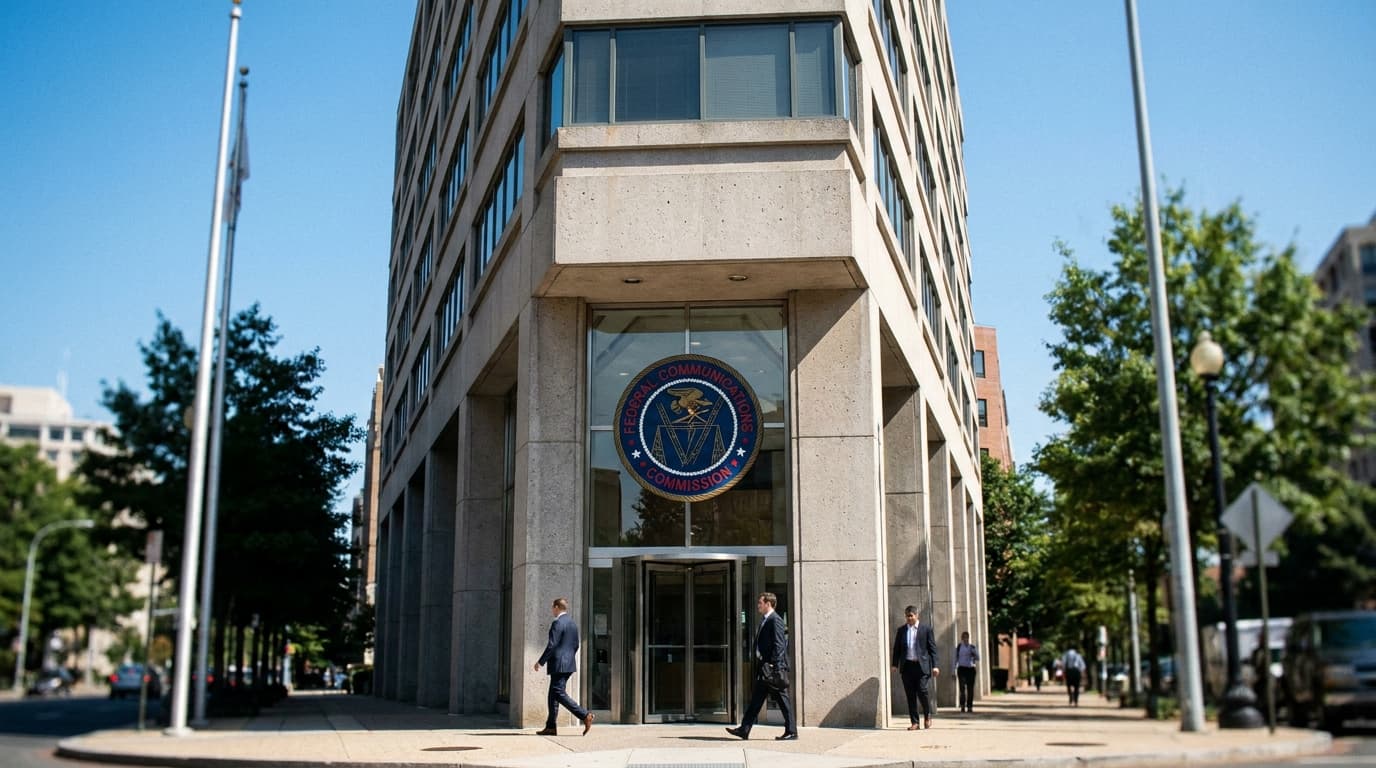
A new nomination is set to give the FCC a 3-1 Republican majority, breaking a long-standing tradition of maintaining a closer partisan balance. This shift could lead to significant changes in internet and telecom regulations.
Netflix redesigned its real-time service map to handle massive scale without losing data. The new system uses a multi-stage pipeline and clever backpressure techniques to ensure every event is processed, even under extreme load.
British Transport Police are now using live facial recognition on the London Underground. The system scans faces in real-time and checks them against a watchlist, raising significant privacy concerns from civil liberties groups.
Using a service mesh with other observability tools can accidentally double-count your traffic metrics. A new guide from CNCF shows developers how to fix this common issue, ensuring accurate data for monitoring and incident response.
Google Cloud launched a new platform that uses AI agents to automate mobile app testing on real devices. This aims to simplify the complex process of ensuring apps work across thousands of different phone models, evolving from Firebase Test Lab.
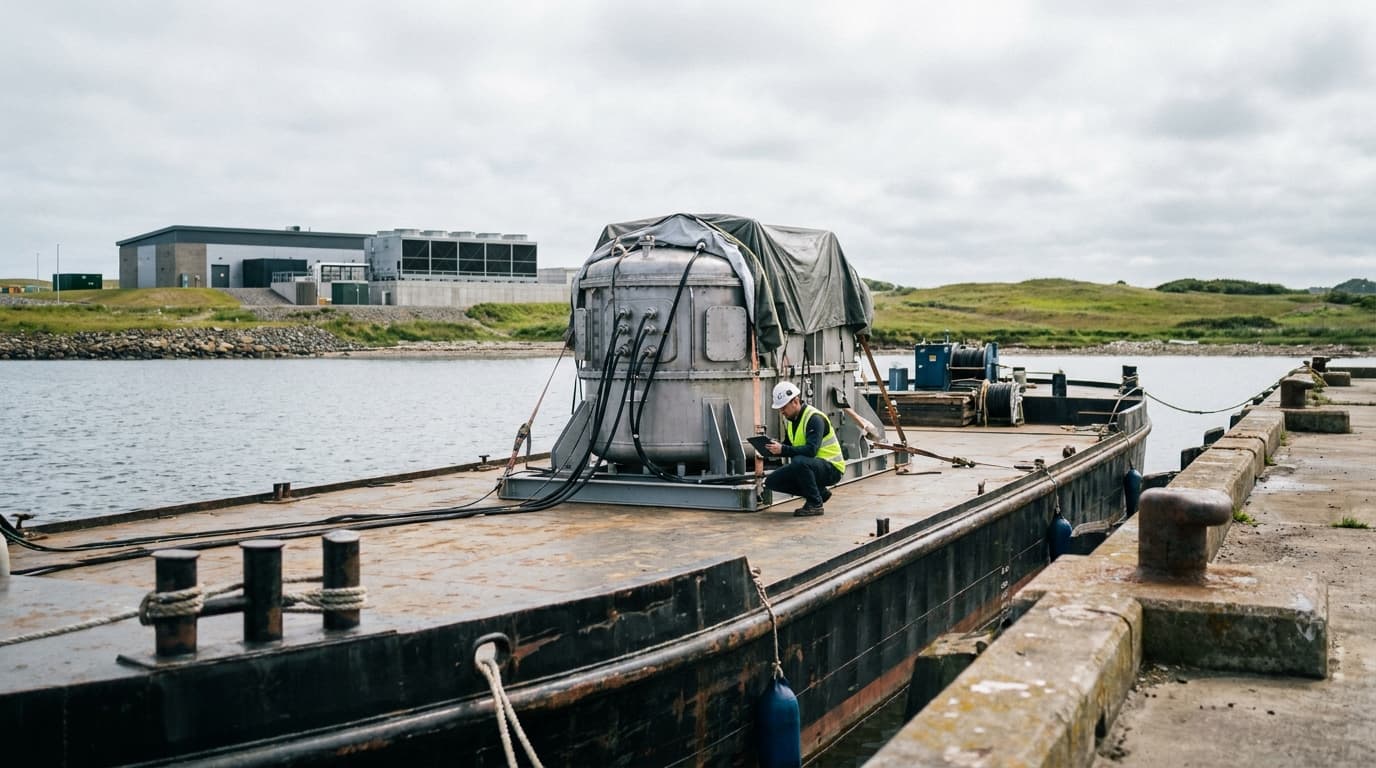
The U.S. is backing an international push to simplify rules for floating nuclear reactors. The goal is to create a new power source for coastal data centers and industry, but it also creates complex new security challenges.
Cloudflare is testing a new protocol, WebMCP, that lets AI agents interact with websites through a structured interface instead of scraping. Activated with a single switch, it aims to standardize how AI navigates the web.
Google Cloud has launched ClusterNetworkPolicy for its Kubernetes Engine (GKE). The new feature lets platform administrators set cluster-wide security rules that work alongside developer policies, improving security without slowing down individual teams.
Infrastructure tool Pulumi now automatically records every command in an encrypted log file. This lets developers share detailed error reports securely with Pulumi's team for faster debugging, without needing to reproduce the problem.
Vercel now lets developers deploy Bun servers directly to its serverless functions, including support for WebSockets. This simplifies building real-time applications and improves the developer workflow by removing the need for framework wrappers.
A critical TeamCity vulnerability follow-up is a key highlight in recent Java news. The ecosystem also saw a major performance enhancement proposed for a future Java Development Kit (JDK) version, alongside several tool updates.
The IMF and Bank of England have raised concerns about AI's risks to the financial system. This is pressuring institutions to establish clear governance and accountability for how AI is used in critical decisions.
Security experts are adapting traditional red teaming methods to find flaws in generative AI. This helps companies use frameworks like MITRE ATLAS to protect AI models from new threats like data poisoning and model hijacking before deployment.
Companies are now using AI to manage system outages during high-traffic events like sales. This approach, known as AIOps, helps teams identify and fix problems faster, reducing the need for engineers to be on-call 24/7.
GitHub has launched Code Quality, a new tool that uses AI to automatically find and suggest fixes for code maintainability problems. It's designed to help development teams manage the growing volume of AI-generated code.
Cloud Native Buildpacks are shifting container security away from individual Dockerfiles to centralized "builders." This allows platform teams to apply security patches across all company applications at once, simplifying and speeding up vulnerability response.
Samsung is developing floating data centers for Texas. These waterborne facilities could provide 50MW of power and use the surrounding water for cooling, significantly speeding up construction compared to land-based sites.
The default Weather app in Windows 11 has a significant memory leak, consuming over a gigabyte of RAM. This can slow down systems and impact performance for developers and employees, especially on managed corporate devices.
OpenAI has paused development on its new Astra AI model. The company's internal review found its advanced coding and cybersecurity abilities reached a "critical" and potentially dangerous threshold, signaling a new class of AI-driven security risks.
Stripe created an automated system that maps its infrastructure to find and fix database problems on its own. This approach significantly speeds up recovery from outages, improving reliability for its global payment network.