Short, verified tech briefings on AI, Cybersecurity, Infrastructure, Database, and Tech Updates — with the analysis and action steps engineering teams need.
An analysis suggests large language models are being treated like religious systems or oracles. This comparison highlights the danger of users placing uncritical faith in AI outputs, a trend some may exploit, and calls for more critical evaluation of the technology's limitations.
The Verge is highlighting tech to upgrade your summer free time. The series covers everything from smart backyard lights to camping gadgets, and even makes the case for the classic Nintendo DS as the ultimate travel companion.
Asus is testing a pre-production ROG gaming laptop featuring an 18-inch Mini LED display. Early impressions highlight the screen's exceptional brightness, sharpness, and lack of motion blur. The device is positioned as a high-end product with a premium price point, setting a new standard for laptop visuals.
Researchers have developed a digital clock that operates using pressurized fluids instead of electronics. This field, known as fluidics, offers an alternative to traditional computation and could lead to new types of soft, flexible devices that don't rely on electricity or generate significant heat.
Prada and Axiom Space have revealed the high-tech undergarment for NASA's new moon suits. This base layer uses advanced materials to keep astronauts cool and comfortable during the Artemis IV mission planned for 2028.
Musician and YouTuber Benn Jordan is pivoting his channel to critique modern technology's focus on surveillance and anti-repair designs. He argues that today's gadgets often prioritize data collection over user benefit, unlike older, more transparent tech.
A security vulnerability has been discovered in the libcaca library. The flaw stems from incorrect handling of malformed files, which could allow an attacker to crash an application, causing a denial of service. In a worst-case scenario, this could lead to remote code execution.
A recent security bulletin highlights a range of emerging threats facing organizations. These include the misuse of AI agents for malicious purposes, the availability of new command-and-control tools for attackers, deceptive social engineering tactics, and the continued use of JavaScript backdoors to compromise systems.
Automakers are consistently improving electric vehicle technology with larger batteries and faster charging. However, the market for sedans priced around or below $50,000 remains underserved, as manufacturers have largely focused on producing crossover SUVs in this competitive price segment, leaving a gap for consumers.
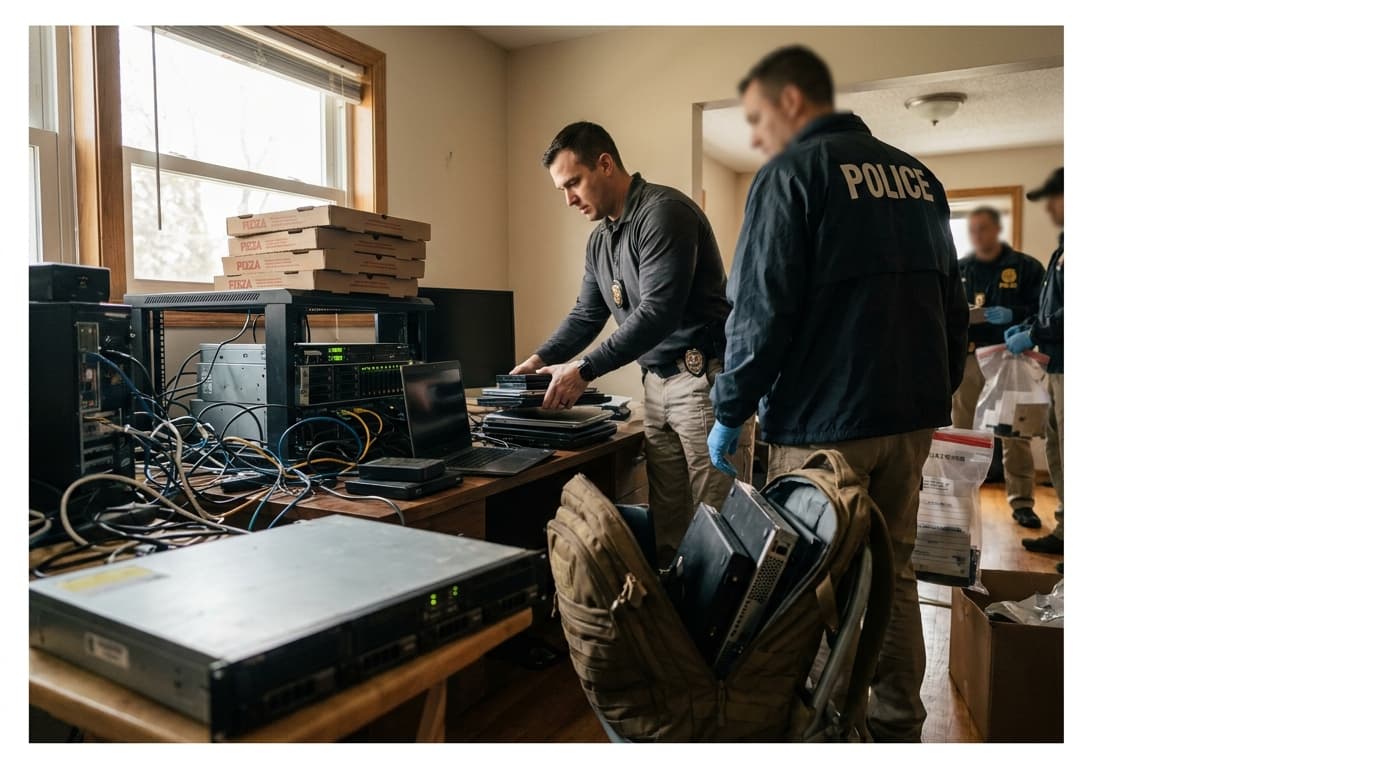
Canadian authorities have arrested a 23-year-old man from Ottawa, suspected of creating and operating the Kimwolf botnet. The botnet reportedly infected millions of IoT devices, using them to launch large-scale distributed denial-of-service (DDoS) attacks over the last six months.
The IEEE TryEngineering OnCampus program has expanded from two to seven universities worldwide. Administered by IEEE Educational Activities, the program provides pre-university students with hands-on opportunities to solve real-world engineering problems and explore potential careers in the field, supported by new funding.
Software architect Sonya Natanzon advises that effective requirements analysis should focus on defining problems, not just stating needs or solutions. Understanding the business context and potential good and bad outcomes is more crucial for success than focusing on specific technologies from the start.
A security vulnerability has been discovered in Evince, the document viewer for Ubuntu and other Linux systems. The flaw allows a specially crafted PDF file to execute arbitrary code on a user's system by exploiting how the application handles certain command-line arguments.
The Arduboy FX-C is a new credit card-sized handheld console designed for portability. It packs significant entertainment value into a thin form factor, combining the best features of previous models with new upgrades. Its compact size offers a refreshing alternative to larger handhelds on the market.
GitHub has confirmed a breach of its internal repositories. The incident was traced back to a compromised employee device that had a malicious version of the Nx Console VS Code extension installed. The extension's publisher, Nx, reported that one of its developers had been hacked.
A security vulnerability has been discovered in GStreamer Good Plugins. Specially crafted MP4 audio files can cause applications using the framework to crash, leading to a denial-of-service condition. This affects systems relying on GStreamer for multimedia processing. Users should apply available security updates.
The cybersecurity landscape has transformed over the past two decades. What began as simple perimeter defense with firewalls and antivirus has evolved into a complex, AI-driven industry. This shift reflects fundamental changes in threats, technology, and the move to cloud infrastructure.
Moderna received $50 million from the Coalition for Epidemic Preparedness Innovations (CEPI) to accelerate its mRNA vaccine for the Bundibugyo ebolavirus. The funding is part of a larger initiative by CEPI to combat a recent outbreak in the Democratic Republic of the Congo.
The U.S. Department of Justice announced the arrest of a Canadian man for allegedly operating the Kimwolf DDoS botnet. The 23-year-old from Ottawa faces charges related to creating and running the DDoS-for-hire service, which is believed to be a variant of the AISURU botnet.
Customer expectations are now set by digital giants like Google and Netflix. To meet these standards, companies need a unified view across tech, service, and business. Collaborative observability connects system performance directly to customer experience and business outcomes, enabling better, more aligned decision-making across teams.
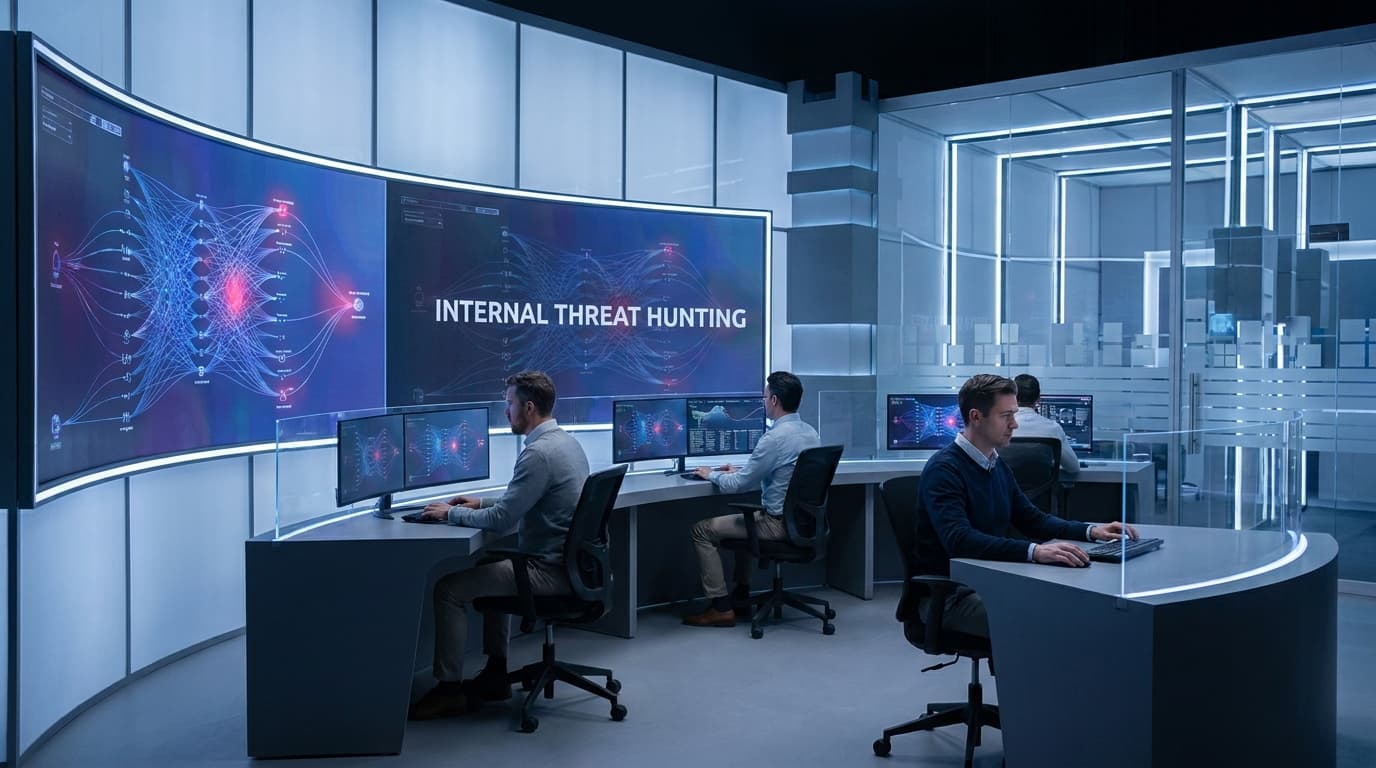
Traditional "fortress" security is no longer enough. Modern threats often look like normal internal activity. Security Operations Centers (SOCs) must evolve to detect these subtle risks before they become major incidents, shifting focus from perimeter defense to internal monitoring.
A discussion among tech professionals highlights growing dissatisfaction with Google Search's quality, citing a rise in SEO spam and less useful results. This has led many to actively explore and adopt alternative search engines to improve productivity and find more accurate information.
Enterprise security is moving beyond traditional firewalls. The future involves AI-orchestrated defenses and hyper-segmented networks to contain threats more effectively. This shift represents a more sophisticated, proactive approach to protecting corporate data and infrastructure from increasingly advanced cyberattacks.
A security researcher found a critical vulnerability on an official AMD website. AMD dismissed the report without a reward, stating the third-party software was out of scope, raising questions about corporate security responsibility.