Short, verified tech briefings on AI, Cybersecurity, Infrastructure, Database, and Tech Updates — with the analysis and action steps engineering teams need.
NordVPN has released its Call Protection feature for iOS users worldwide. The new tool provides real-time alerts for incoming scam calls without logging or listening to user conversations. This adds a new layer of security for iPhone users against a growing and costly global problem.
Nvidia has officially retired its GeForce Control Panel after 20 years, replacing it with the new Nvidia App. The company has migrated all actively supported features to the new application, which unifies GPU management tools into a single, modern interface for all users.
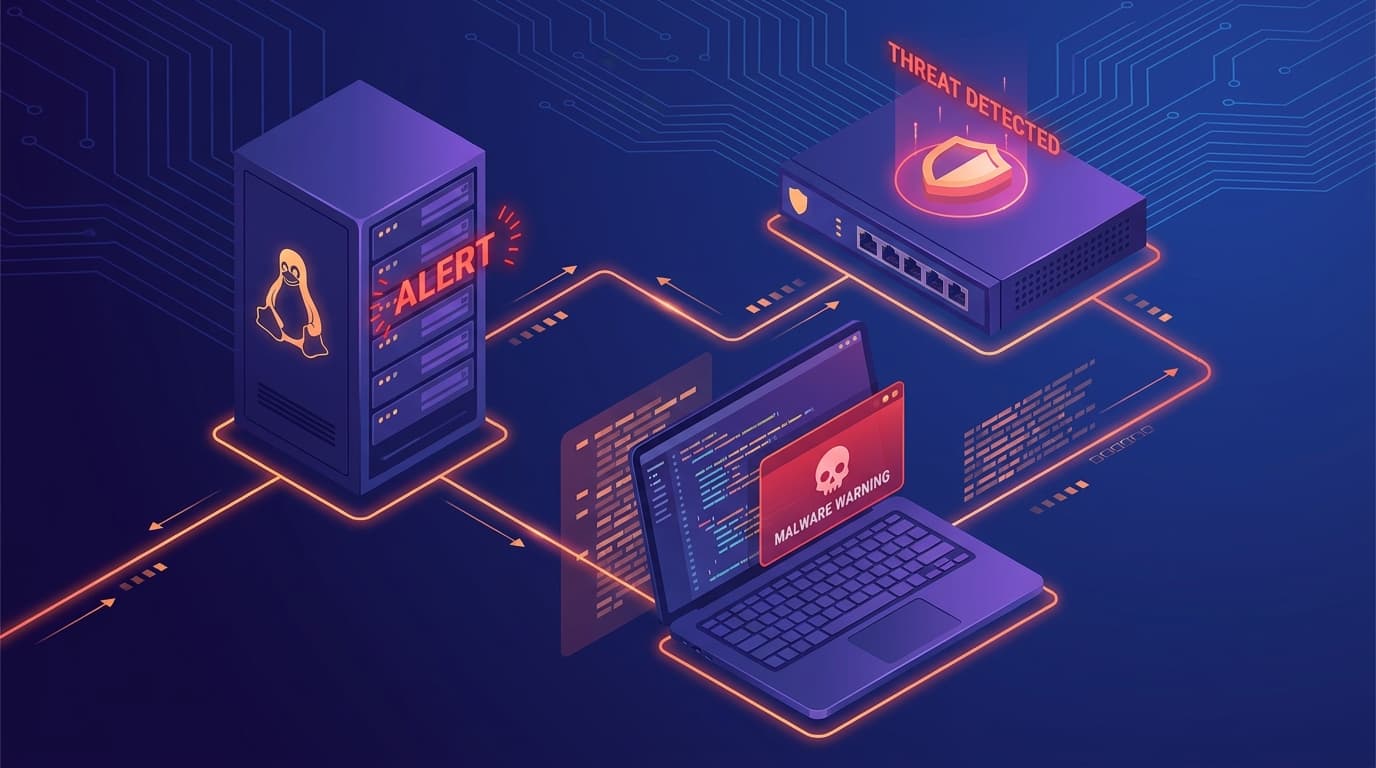
This week's security landscape saw several critical developments. A new vulnerability was discovered in the Linux kernel, while a significant exploit targeted Palo Alto Networks' PAN-OS. Additionally, the use of AI in crafting sophisticated attacks is on the rise, alongside new OAuth-based phishing campaigns.
Microsoft has revealed that two vulnerabilities in its Defender security software are being actively exploited. One is a privilege escalation flaw (CVE-2026-41091) that could allow an attacker to gain SYSTEM-level access, while the other is a denial-of-service flaw. Both are being used in real-world attacks.
The Pakistan-aligned hacking group SideCopy is reportedly targeting Afghanistan's Ministry of Finance. The cyber-espionage campaign uses spear-phishing emails containing a ZIP archive. Inside is a malicious LNK file with a Pashto filename, which deploys an open-source remote access trojan called Xeno RAT to compromise systems.
A cross-site scripting (XSS) vulnerability was discovered in Postorius, the web interface for Mailman 3. The flaw allows attackers to inject malicious HTML into message subjects on the 'Held messages' pop-up, which could lead to the exposure of sensitive administrator information.
A GitHub worm, poisoned software packages, and a compromised AI helper all hit developers last week. The common thread: attackers exploited basic, well-known security mistakes like leaked credentials, proving that fundamentals are still being overlooked.
A new malware-as-a-service campaign, codenamed Weedhack, is targeting Minecraft players. The malware spreads via YouTube videos that promote fake Minecraft clients and mods. Once installed, it can take full control of the victim's system, posing a risk to both personal and corporate data.
A public exploit is now available for a recently patched Arch Linux vulnerability called PinTheft. The flaw allows a local attacker to gain full root privileges on a system. The vulnerability has already been fixed, so users who have updated their systems are protected from this exploit.
Ukrainian and U.S. authorities have identified an 18-year-old suspected of operating an infostealer malware campaign. The operation targeted a California-based online store, compromising the login credentials and personal data of approximately 28,000 users. The suspect allegedly sold the stolen data on illicit forums.
A series of high-impact security incidents, including a mail server zero-day, poisoned npm packages, and a fake AI repository, highlight a dangerous trend. Attackers are exploiting single points of failure in software supply chains and cloud infrastructure to launch widespread, cascading attacks.
Redis has released a new tool, RedisVL MCP, that lets developers connect their Redis data to various AI agent frameworks without rewriting code for each one. This simplifies building AI applications on existing data stores.
Multiple high-severity vulnerabilities have been found in the Linux kernel for Azure FIPS environments. Attackers could exploit these flaws to gain higher privileges or even escape from software containers, posing a serious risk to regulated workloads.
New research warns that age verification technologies could actually increase risks for children. These systems create centralized databases of sensitive data, making them prime targets for abuse and exploitation, undermining the very safety they aim to ensure.
AI startup Shift is offering free home cleaning services. In exchange, the company will record its cleaners' actions to create a proprietary video dataset for training future household robots. Shift states the value of this data outweighs the cost of the service.
Enterprise software vendors agree that AI agents require deep context to be useful, but they are divided on how to provide it. The key debate is whether companies should integrate AI into existing systems or undertake a risky strategy of rebuilding their entire infrastructure from scratch.
A vulnerability in Palo Alto Networks' GlobalProtect VPN is being actively exploited, allowing attackers to gain unauthorized access to corporate networks. Security firm Rapid7 reports that exploitation began just days after Palo Alto disclosed the issue, which was initially rated as medium-severity.
The Belarus-aligned hacking group Ghostwriter is targeting Ukrainian government organizations with a new phishing campaign. The attackers send emails disguised as communications from Prometheus, a popular Ukrainian online learning platform, to trick officials into compromising their systems. The campaign was identified by Ukraine's CERT-UA.
A new analysis argues that AI models are just complex code. This means prompt engineering can't make them smarter, only better at accessing what they already know—a key limit for developers building reliable applications.
Many enterprise security teams focus on compliance checklists, not real-world attack readiness. This leaves them vulnerable, unlike military cyber ops teams who train for precision and speed under pressure.
Despite the hype, AI is not revolutionizing weather and climate science. Experts say it's a useful tool for specific tasks, but its limitations mean it's far from replacing traditional, physics-based models for now.
Drew Houston, the co-founder and CEO of Dropbox, is stepping down after leading the company for 17 years. This significant leadership change marks the end of an era for the cloud storage pioneer and raises questions about its future product strategy and direction under new leadership.
University of California faculty are pushing to reinstate the SAT for STEM admissions, citing a significant decline in students' math skills since the test was dropped. This raises concerns for the tech industry, which relies heavily on UC graduates for its talent pipeline and future workforce.
Multiple vulnerabilities have been discovered in the Linux kernel, including a critical flaw known as 'Copy Fail'. This specific issue could allow a local attacker to gain higher privileges or escape from a container, potentially leading to a full system compromise. The update addresses these security risks.