Short, verified tech briefings on AI, Cybersecurity, Infrastructure, Database, and Tech Updates — with the analysis and action steps engineering teams need.
Many companies adopt multicloud strategies by collecting logos of major providers for presentations, but fail to implement effective governance. This approach leads to operational complexity, a lack of control over resources, and significant cost inefficiencies, turning a strategic advantage into a major management challenge.
A man in San Diego was wrongly linked to a violent crime due to an error by a Flock license plate reader. The case underscores the serious real-world consequences of inaccuracies in widely used AI surveillance technology.
Many companies struggle to get value from their AI investments. The issue often isn't the technology, but a leadership gap in connecting AI initiatives to clear, measurable business goals and a company-wide data strategy.
CoreWeave's CTO, Peter Salanki, discussed the challenges of running AI in production. He highlighted the growing importance of observability, resource utilization, and scheduling for efficient operations. Salanki also advised teams to avoid the common mistake of over-architecting their systems too early.
Widespread layoffs are creating a significant culture shift within large tech companies. According to a New York Times report, relationships between employees and managers are becoming more strained, and cooperation is declining. This new environment of anxiety and suspicion is impacting team dynamics and morale.
Top AI talent is increasingly choosing employers based on factors beyond salary. They prioritize access to powerful computing resources, the freedom to experiment, and the ability to make a significant impact. Companies that focus only on platforms and governance risk losing their most valuable AI experts.
After an 88-day shutdown, Iran is restoring internet access. However, experts warn the restoration is only partial and future cutoffs are likely, highlighting ongoing risks for businesses operating in the region.
A security vulnerability has been discovered in libssh2, a popular library for the SSH2 protocol. The flaw relates to how the library handles username and password lengths during authentication. A remote attacker could exploit this issue to trigger a denial-of-service, potentially crashing affected applications.
A new phishing campaign uses emails disguised as LinkedIn business inquiries to steal user credentials. Attackers are abusing Adobe's infrastructure to host a fake contract attachment. After victims enter their details, they are redirected to the legitimate LinkedIn website, making the attack harder to detect.
The UK government is replacing Stripe as its payment processor for Gov.uk services. The move to a Dutch competitor highlights the intense competition and evolving priorities for large-scale public sector payment systems.
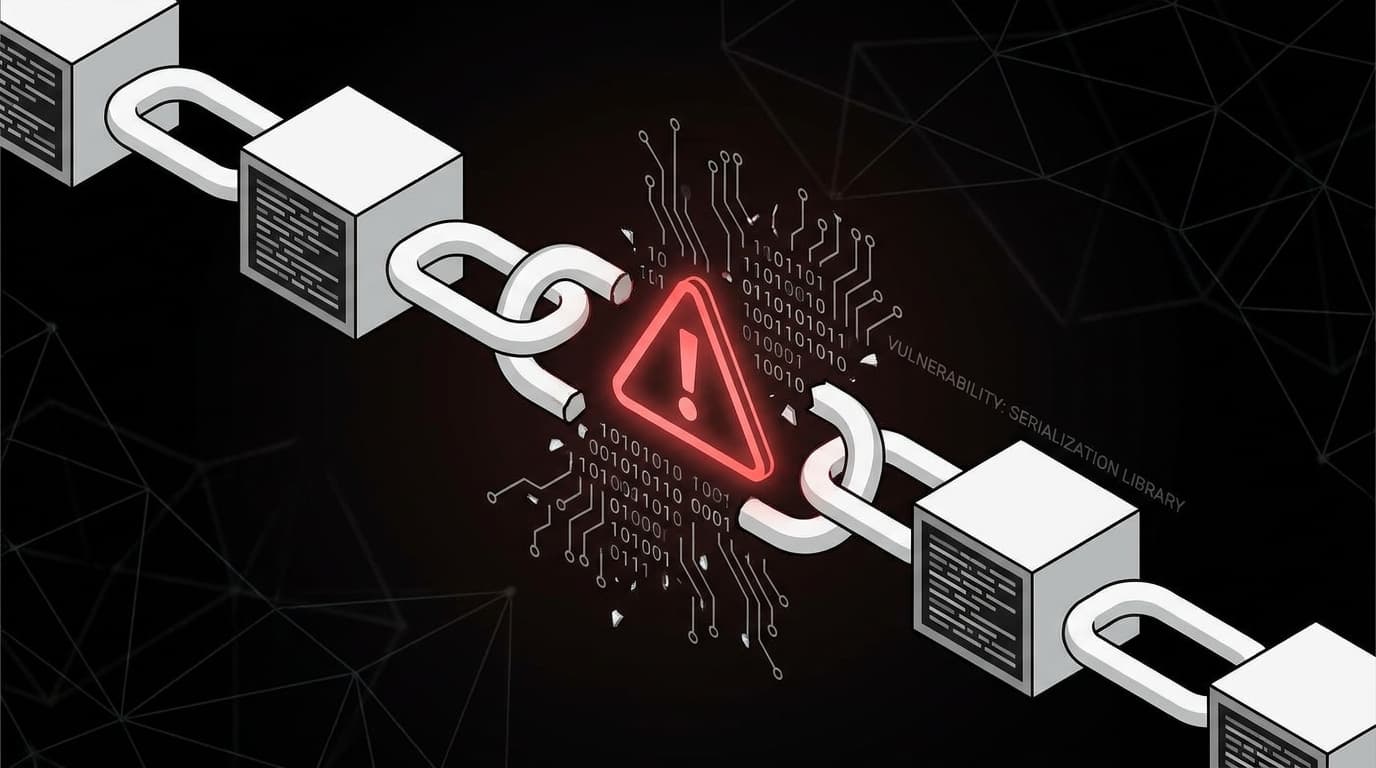
Security firm Minimus released two new tools to help teams manage software supply chain risks and container security together. The products aim to simplify protecting applications from third-party code vulnerabilities and misconfigurations.
Gartner warns that by 2027, half of all companies without a people-centric AI strategy will lose their top AI talent. The report highlights the critical need for organizations to prioritize their employees in AI development and implementation to ensure long-term success.
A vulnerability in a common Perl module lets attackers bypass IP-based access controls by adding extra zeros to an IP address. This flaw affects older Ubuntu LTS versions, potentially exposing protected systems to unauthorized access.
IT consulting giant Accenture has announced its intention to acquire Ookla, the company behind the popular Speedtest and Downdetector services. The deal brings Ookla's extensive network performance and service outage data under the control of a major enterprise services provider, impacting how businesses monitor infrastructure.
New York regulators are setting a precedent by fining a company for its IT and compliance failures, not just the data breach. This signals a major shift, holding IT and security teams directly accountable for weak policies.
A stored cross-site scripting (XSS) vulnerability has been found in Appsmith's SQL query editor. Attackers with developer access to a shared PostgreSQL database can inject malicious code by creating specially named database objects. This code executes when the autocomplete feature is used by other users.
The integration of AI, cloud analytics, and connected sensors into operational technology (OT) is creating new security vulnerabilities. While these technologies promise efficiency gains, they also complicate uptime and safety, forcing leaders to rethink governance, incident response, and visibility across combined IT and OT environments.
Renault is now mass-producing a new electric motor that contains no rare earth elements. This move helps the automaker avoid volatile supply chains, reduce environmental impact, and lower its exposure to geopolitical risks tied to critical materials.
A new Stack Overflow survey reveals that 59% of software engineers now use agentic AI, nearly doubling previous adoption rates. This rapid growth shows a clear trend, though current use cases remain primarily focused on single-agent tasks that are closely monitored by developers.
Ubuntu has released a security update for a high-impact denial-of-service (DoS) vulnerability in Protocol Buffers. The flaw affects the Python library on Ubuntu 18.04 and 20.04 LTS, allowing attackers to crash applications and disrupt services by consuming excessive resources.
Microsoft has released a year's worth of benchmarking data, comparing its Defender email security platform against rivals. The reports use real-world threat data to measure effectiveness, offering transparency for teams evaluating their security tools.
A vulnerability in .NET allows attackers to trigger an infinite loop by sending a specially crafted network request. This can exhaust system resources, leading to a denial of service (DoS) and potential service outages for applications built on the framework, requiring an immediate patch.
AI is transforming phishing from a manual process into a highly automated and scalable threat. Attackers now use AI to improve every step, from researching targets to crafting convincing messages that are much harder to detect.
This week's security landscape saw the discovery of new Linux vulnerabilities and a zero-day flaw in Microsoft Defender. The incidents highlight ongoing risks from unpatched systems and complex supply chains. Additionally, old bugs resurfaced, and phishing attacks have become more targeted, posing a continued threat.