Short, verified tech briefings on AI, Cybersecurity, Infrastructure, Database, and Tech Updates — with the analysis and action steps engineering teams need.
A new guide breaks down the complex billing models of five major cloud data warehouses: Snowflake, Databricks, ClickHouse Cloud, BigQuery, and Redshift. It explains how each platform meters and bills for compute, helping engineering teams compare costs and make informed architectural decisions for their data infrastructure.
Code in recent Starlink firmware indicates SpaceX may be developing a new 'Mini' dish with a built-in battery. This would make the satellite internet service truly portable, offering high-speed connectivity without a constant power source, ideal for remote work and emergency response.
A new model highlights the inherent tension between making AI safe and making it useful. Developers must constantly weigh safety measures against potential losses in performance, a critical balancing act for every AI product.
IBM is spinning off its quantum chip manufacturing into the first dedicated foundry for quantum computing components. This strategic move aims to accelerate the industry's growth by providing scaled production capabilities, signaling a major step towards the maturation of quantum technology for broader use.
Hibernate 7.4 is now available, introducing significant quality-of-life improvements for Java developers. The update simplifies common but complex tasks, such as paginating queries with joined collections and accessing historical data for auditing. This release aims to streamline development and reduce boilerplate code for many applications.
Microsoft has taken down a cybercrime operation that offered malware-signing-as-a-service. The service abused Microsoft's own Artifact Signing platform to create fraudulent code-signing certificates, which were then sold to ransomware gangs and other malicious actors to help their malware evade detection.
Starlink is now renting its hardware for a $10 monthly fee instead of a one-time purchase. This lowers the entry cost for businesses but increases long-term expenses, changing how teams budget for connectivity.
Two denial-of-service vulnerabilities have been found in Libgcrypt, a common cryptographic library. Attackers can exploit flaws in how the library handles certain data for ECDH and Dilithium operations, potentially causing applications that rely on it to crash and become unavailable. Patches are recommended.
With over 400 million connected cars on the road and new vehicles generating 25 GB of data per hour, the underlying connectivity architecture is a major security concern. This massive scale presents a significant challenge for the automotive and IoT sectors.
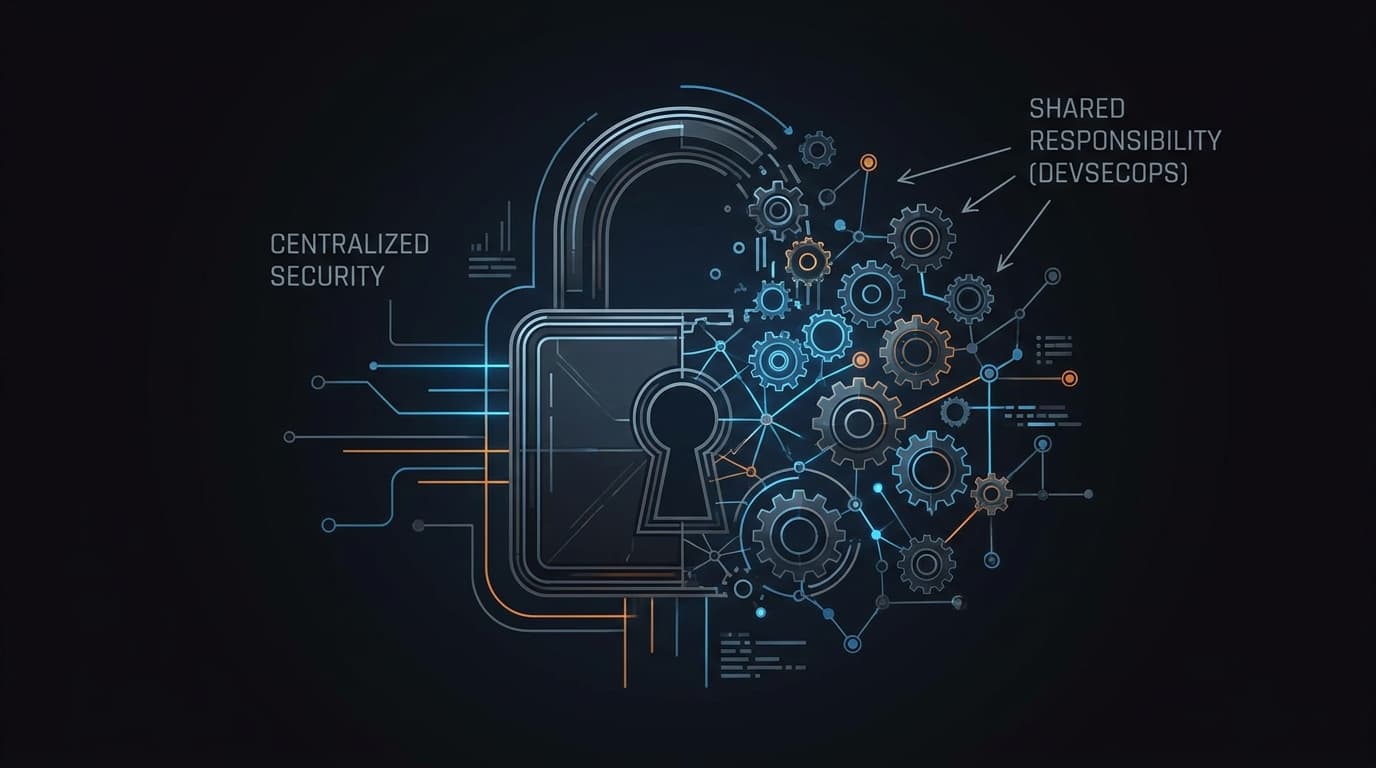
An opinion piece argues the traditional model of a centralized security team is obsolete. Citing trends in AI security, it suggests that core responsibilities like managing API exposure and legacy systems are now shifting to engineering teams, requiring a new, shared approach to cybersecurity.
The rapid rise of agentic and predictive AI in business applications represents a major innovation wave. The capabilities of these autonomous agents are developing faster than our security and management frameworks, creating a significant challenge for developers, security teams, and business leaders to address.
Companies readily use automation to boost productivity but hesitate to let it cut cloud costs. This trust gap, especially with expensive AI workloads, prevents effective cost management. According to CloudBolt's COO, this imbalance is a key challenge in modern FinOps, hindering significant potential savings.
As teams use AI for more complex coding tasks, the focus is shifting from speed to safety. A new framework called AC/DC helps organizations govern AI coding agents, ensuring code quality, managing risk, and creating a repeatable system for steering, checking, and correcting machine-generated code.
A new phishing campaign is targeting Signal users with text messages pretending to be from Signal Support. The scam aims to trick users into revealing their backup recovery keys by creating a false sense of urgency about data loss due to a supposed "sync issue."
Renault is now mass-producing a new electric motor that contains no rare earth elements. This move helps the automaker avoid volatile supply chains, reduce environmental impact, and lower its exposure to geopolitical risks tied to critical materials.
California lawmakers are amending a new age-verification law to exempt Linux and other open-source operating systems. The original bill's broad language could have required OS developers to verify user ages, sparking significant backlash from the open-source community over feasibility and potential harm.
A security vulnerability has been patched in Evolution Data Server for Ubuntu 18.04 and 20.04 LTS. The flaw could allow an attacker to delete arbitrary files on the system by exploiting how the server handles its local cache. Updating is recommended to protect system integrity.
Ubuntu has released a security update for its Long-Term Support versions to address a vulnerability in the Little CMS color management engine. The flaw could allow an attacker to cause a denial of service or potentially execute arbitrary code using a specially crafted ICC profile.
Verizon sent a customer a refurbished phone with its Mobile Device Management (MDM) software still active. The company then used its remote access to completely wipe the customer's data, highlighting serious device management risks.
Researchers have confirmed that the U.S. military has been using the GPS network as a secret cryptographic broadcast channel for nearly two decades. This reveals a hidden capability within critical global infrastructure many businesses rely on.
Netflix has shared its approach to building a centralized platform for data deletion across its distributed systems. The architecture focuses on safely orchestrating deletions without impacting live traffic, managing data remnants ("tombstones"), and ensuring compliance through continuous audits.
A former IT employee was sentenced to 21 months in prison for a prolonged cyberattack on his old school district. This case is a stark reminder of the risks of insider threats and the critical need for secure offboarding.
IT leaders are finding cloud strategy more complex than ever. The rise of AI, coupled with growing concerns over costs, sophisticated security threats, data sovereignty rules, and workload efficiency, is forcing a re-evaluation of established cloud plans. This shift challenges previous assumptions about cloud management.
A newly found vulnerability in the popular terminal tool tmux could allow a local attacker to crash your sessions. The flaw involves how tmux handles images, creating a denial-of-service risk for developers and system administrators.