Short, verified tech briefings on AI, Cybersecurity, Infrastructure, Database, and Tech Updates — with the analysis and action steps engineering teams need.
A user of the privacy-focused GrapheneOS was reportedly flagged to authorities simply for using the software. The incident raises serious questions about whether privacy-enhancing tools are now viewed as suspicious by default.
Terraform 1.15 now lets developers dynamically change where their code modules are sourced from. This long-requested feature makes infrastructure management more flexible and powerful, especially for complex, multi-environment setups.
Replit is partnering with Visa to integrate payment infrastructure into its development platform. The collaboration, which includes a strategic investment from Visa, aims to enable AI agents to transact autonomously, creating a new model for "agentic commerce" where AI can participate directly in the economy.
The use of autonomous AI agents in business is expected to surge by 300% in the next two years. Unlike current tools, these agents can handle complex tasks on their own, creating a new kind of hybrid human-AI workforce.
Microsoft's VS Code will now wait two hours before automatically updating extensions. This delay gives developers and security teams a small window to catch and block malicious code before it spreads, improving software supply chain security.
The latest Spring Boot 4.1 release introduces built-in protection against server-side request forgery (SSRF) attacks. The update also simplifies modern API development with gRPC auto-configuration and adds support for Kotlin 2.3.
Maine shut down its public data breach portal after it was used to post fake disclosures. The incident is a stark reminder for all organizations to validate user-submitted information on public-facing systems to prevent misinformation.
A threat actor called PCPJack has hijacked over 230 servers on AWS, Google Cloud, and Azure. The compromised servers are being used to create a covert email relay network, turning them into proxies for sending mail.
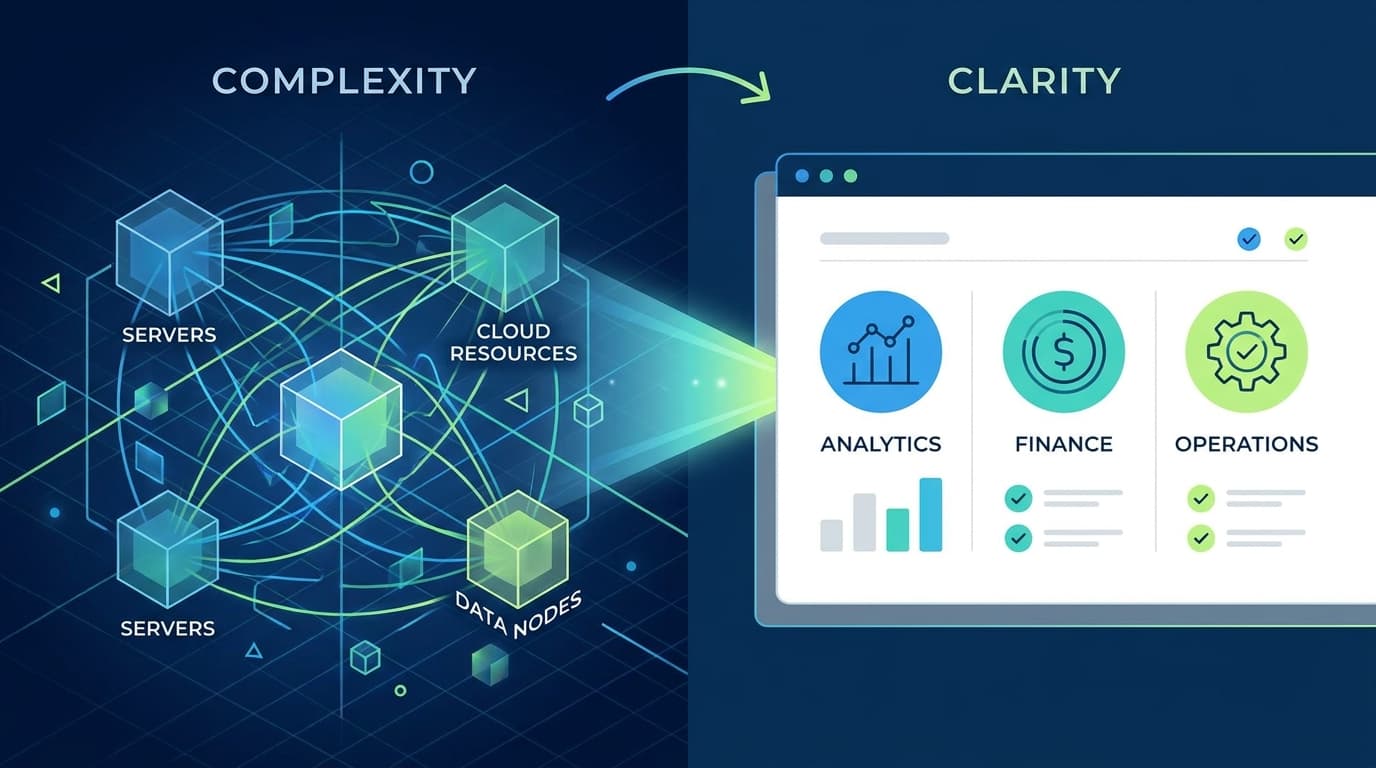
Google Cloud is introducing a new way to manage planned maintenance. Instead of tracking individual resource updates across many projects, teams can now view maintenance events in the context of their business services. This change aims to reduce operational overhead for platform and SRE teams.
A police officer in the UK is being investigated for allegedly using AI to fabricate evidence in multiple cases. The incident highlights the serious risks of generative AI in high-stakes fields and the urgent need for clear organizational policies.
Password manager Dashlane disclosed a security incident where an external attacker used a brute-force attack to bypass two-factor authentication. The attack resulted in the encrypted password vaults of fewer than 20 personal plan users being downloaded by the unauthorized party.
A vulnerability has been found in Dnsmasq, a common network service for DNS and DHCP. When configured with a specific option, mishandled BOOTREPLY packets can allow a remote attacker to crash the service, causing a denial of service, or potentially execute arbitrary code on the system.
A new threat actor is targeting cryptocurrency firms using fake recruiter messages and custom macOS malware. The campaign uses sophisticated social engineering to trick employees, aiming to steal digital assets by compromising CI/CD infrastructure. This highlights a growing risk for developers and security teams in the crypto space.
Google Cloud launched a new feature called Storage Insights. It provides detailed reports on data access and usage patterns, helping companies manage massive storage footprints, cut costs, and boost security.
A recent Ubuntu security update for the rsync utility accidentally broke some of its core functions. A new patch has been released to fix this regression, which may have disrupted file synchronization and backup workflows for many teams.
The Pentagon has added Alibaba, Baidu, and other major Chinese tech companies to a list of firms allegedly supporting China's military. This move bars them from U.S. defense contracts and raises supply chain security concerns.
A critical vulnerability has been patched in the `sed` utility on Ubuntu 18.04 LTS and 20.04 LTS. The flaw allowed a local attacker to overwrite arbitrary files by exploiting how `sed` handles symbolic links during in-place edits, potentially leading to privilege escalation on affected systems.
Ubuntu has released a second patch for the Exim mail server on version 22.04 LTS. The first fix for a critical vulnerability introduced a new bug, and this update corrects that error while keeping the original security fix intact.
Attackers submitted fake data breach reports to Maine's official portal, which were published before verification. This new tactic weaponizes compliance systems to damage company reputations, creating a new challenge for security and communications teams.
Police used a flawed AI facial recognition match to arrest an innocent man, who then spent nearly a week in jail. The case highlights the severe real-world consequences of relying on AI without rigorous human verification.
Cloudflare has integrated support for Claude Managed Agents, allowing developers to build, deploy, and manage AI agents directly on its global network. This enables connecting agents to private systems, choosing runtime environments, and using Cloudflare's tools for monitoring and management.
Researchers have developed a new, more environmentally friendly, and potentially cheaper method for extracting lithium, a critical component for batteries. The process, detailed in the journal Science, is being commercialized by a startup named Rock Zero, aiming to address future supply chain challenges for EVs and energy storage.
Vercel Labs has open-sourced zero-native, a new framework for building desktop apps. It aims to create smaller, more efficient applications by using native components instead of bundling a heavy runtime like Electron.
Russia's internet regulator is creating a state-controlled VPN to fix problems caused by its own crackdown. The move aims to restore access for developers but has sparked major surveillance and privacy fears among the country's IT community.