Short, verified tech briefings on AI, Cybersecurity, Infrastructure, Database, and Tech Updates — with the analysis and action steps engineering teams need.
Netflix revealed how it automates code changes across its massive software fleet. The company uses a flexible, event-driven platform with automated safety checks and a custom "confidence metric" to eliminate slow, manual engineering work.
A security flaw has been found in a core audio library on Ubuntu 20.04 LTS. Attackers could exploit it with a special file to crash applications or potentially run malicious code, requiring an immediate system update.
A recent report raises serious questions about data manipulation in antibody research from Thermo Fisher, a major scientific supplier. This could impact the validity of countless scientific studies that rely on their products.
Google has made its long-hidden flight simulator, a feature of the desktop Google Earth app since 2007, available directly in web browsers. This makes the powerful tool accessible to anyone without needing a separate download or installation.
Booking flights, hotels, and rentals involves sharing sensitive data across multiple platforms, creating opportunities for criminals. Common travel scams and frequent data breaches in the hospitality sector increase the risk. Awareness of these threats is key to protecting information while planning travel.
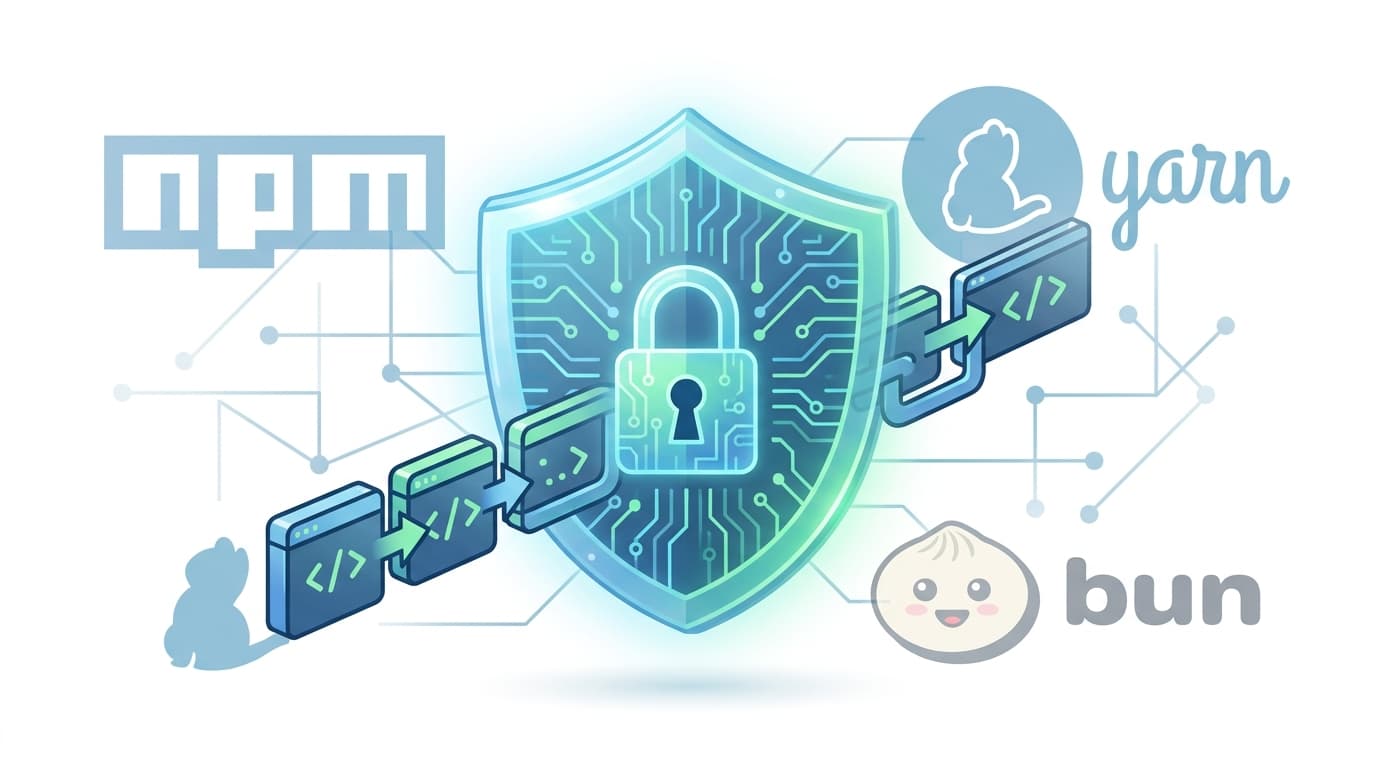
DepsGuard is a new open-source tool that simplifies securing JavaScript projects. It applies recommended security settings, like package cooldowns and disabling install scripts, across multiple package managers (npm, pnpm, yarn, bun, uv) with a single command, addressing common supply chain vulnerabilities.
Researchers studying pancreatic cancer believe they've found a protein that acts as a 'master switch' for tumor growth. This discovery could pave the way for new treatments that target a fundamental mechanism across many types of cancer.
The perception of cybersecurity is shifting. It's no longer just about preventing breaches with tools. Instead, a mature security program is now seen as a key indicator of a company's overall resilience, reflecting its ability to manage risk, control systems, and respond effectively to disruptions.
For the seventh consecutive time, Microsoft has been recognized as a Leader in the 2026 Gartner Magic Quadrant for Endpoint Protection. The placement highlights the company's strength in the endpoint security market, particularly with its Microsoft Defender product, amid increasingly coordinated and fast-moving cyber threats.
A new poll shows 52% of Britons would now vote to rejoin the EU, a complete reversal of the 2016 Brexit result. This shift in public opinion could signal major changes for the UK's tech industry.
Traditional two-week penetration tests leave companies exposed for the other 345 days of the year. Security firm Sprocket Security highlights this gap, arguing that as attack surfaces constantly evolve, businesses must adopt continuous security testing to effectively manage and mitigate real-world risks.
Cyber insurance is no longer just a safety net; it's actively shaping corporate security strategies. Insurers are now requiring organizations to quantify their cyber risk, leading to more rigorous security practices and a clearer understanding of what policies actually cover and what they leave exposed.
A new guide explains how to secure the entire AI stack, from initial models to production systems. It provides a roadmap for building resilient AI through layered defense, robust MLOps, and integrated governance.
MIT experts warn that the biggest hurdle for agentic AI isn't the technology, but human readiness. Leaders are discovering a major gap between the hype and the reality of integrating these advanced AI systems into daily workflows.
Tech leaders are increasingly providing after-hours emotional support for teams anxious about AI and job security. This "empathy tax" is a significant, often overlooked, driver of leadership burnout, especially for women.
Public perception of AI is becoming increasingly negative, with some users feeling 'AI shame.' This shift in sentiment has major implications for how companies should market, build, and deploy AI products for customers and internal teams.
A set of principles from over 20 years ago, the 'eight fallacies of distributed computing,' are still critical for building reliable software. Ignoring them leads to system failures, a lesson developers are constantly relearning.
A remote code execution vulnerability was found in the Papers reference management app on Ubuntu. Attackers can exploit it by tricking users into opening a malicious PDF file, potentially allowing them to run arbitrary code. The flaw stems from how the application handles specific PDF actions.
A new Drainer-as-a-Service platform called Lucifer is enabling crypto theft at scale. It uses sophisticated phishing kits and automation to trick users into signing malicious transactions, which then drains their wallets. The service highlights a shift from direct hacking to social engineering in crypto theft.
Security leaders suggest CISOs ask tough questions to evaluate their programs. This helps them adapt to new threats and prove the value of their security investments to the business.
Rushing to adopt AI models without building the right infrastructure is a common mistake. To successfully scale AI from experiment to production, companies need to embrace shared open standards for long-term reliability and value.
Enterprise outages rarely start where operations teams first look. The growing complexity of hybrid cloud environments, combined with siloed teams and the recent addition of AI, makes it nearly impossible to observe and understand the true root cause, leading to instability and security risks.
A burglar in San Francisco used a Waymo robotaxi as a getaway car and remains at large, despite the vehicle's many cameras. The case highlights major gaps in how autonomous vehicle data is used for law enforcement.
A high-severity vulnerability has been discovered in the Geospatial Data Abstraction Library (GDAL). The flaw, located in its bundled LibTIFF component, could allow an attacker to execute arbitrary code, cause a denial of service, or access sensitive information by using a specially crafted TIFF image file.