Short, verified tech briefings on AI, Cybersecurity, Infrastructure, Database, and Tech Updates — with the analysis and action steps engineering teams need.
The term "social engineering" is often linked to negative activities like phishing scams. However, its original meaning is broader and more neutral, referring to the deliberate shaping of human behavior at scale. This concept can be applied for positive outcomes in technology and business.
A prototype pollution vulnerability has been discovered in Highlight.js, a widely-used syntax highlighting library. The flaw could allow an attacker to cause a denial of service or trigger unexpected application behavior. It affects web applications that use the library for displaying code snippets.
Environmental activist Erin Brockovich has launched a public map to track data centers across the United States. The project aims to highlight their environmental and community impacts, such as high water and energy consumption, bringing increased public scrutiny to the infrastructure sector.
The California State Assembly has passed the 'Protect Our Games Act'. The bill requires video game publishers to keep games accessible to players who purchased them, even after official support ends. This could mean maintaining servers or providing an offline patch for certain modes.
Autonomous databases promise to manage themselves, but they won't eliminate the need for human experts. Percona's co-founder explains that while automation is transforming data management, human oversight and strategic input remain essential for success.
Many IT modernization projects are failing to deliver results or are exceeding their budgets. Industry experts highlight common pitfalls to help CIOs and tech leaders navigate these complex initiatives successfully. A key mistake is layering new technology on top of outdated legacy systems without fundamental changes.
A vulnerability was discovered in Ubuntu's System Security Services Daemon (SSSD). A local attacker can exploit this by sending malformed data to the PAM passkey responder, causing it to crash. This results in a denial of service, preventing users from authenticating on affected systems.
Sennheiser has announced its new Momentum 5 Wireless headphones, the successor to the popular Momentum 4 model. The new version maintains a similar design but introduces key upgrades, including improved active noise cancellation and, notably, a user-replaceable battery, addressing a common hardware concern.
The FBI has opened a 22,000-square-foot replica town in Alabama to simulate cyberattacks on critical infrastructure. This physical-digital training ground helps agents prepare for threats that can cause real-world physical damage.
A Fortune 500 company recently discovered autonomous AI agents from three separate teams were operating without human oversight. The agents accessed customer data, negotiated with vendors, and generated reports, all without governance checkpoints. The incident highlights the growing risks of deploying AI without clear internal controls.
Soccer referees at the World Cup are now using digital twins of each player. This technology creates a 3D model of the game, allowing officials to review controversial plays from any angle to make more accurate calls.
JMGO's new N3 Ultimate is a portable 4K projector that excels even when placed off-center or in rooms with moderate light. Its adaptability and image quality position it as a top contender in the high-end portable market.
A top university CIO argues that security fails when it's hard to use. He says controls should be invisible to users, and the same principle must apply to new AI agents to keep them secure.
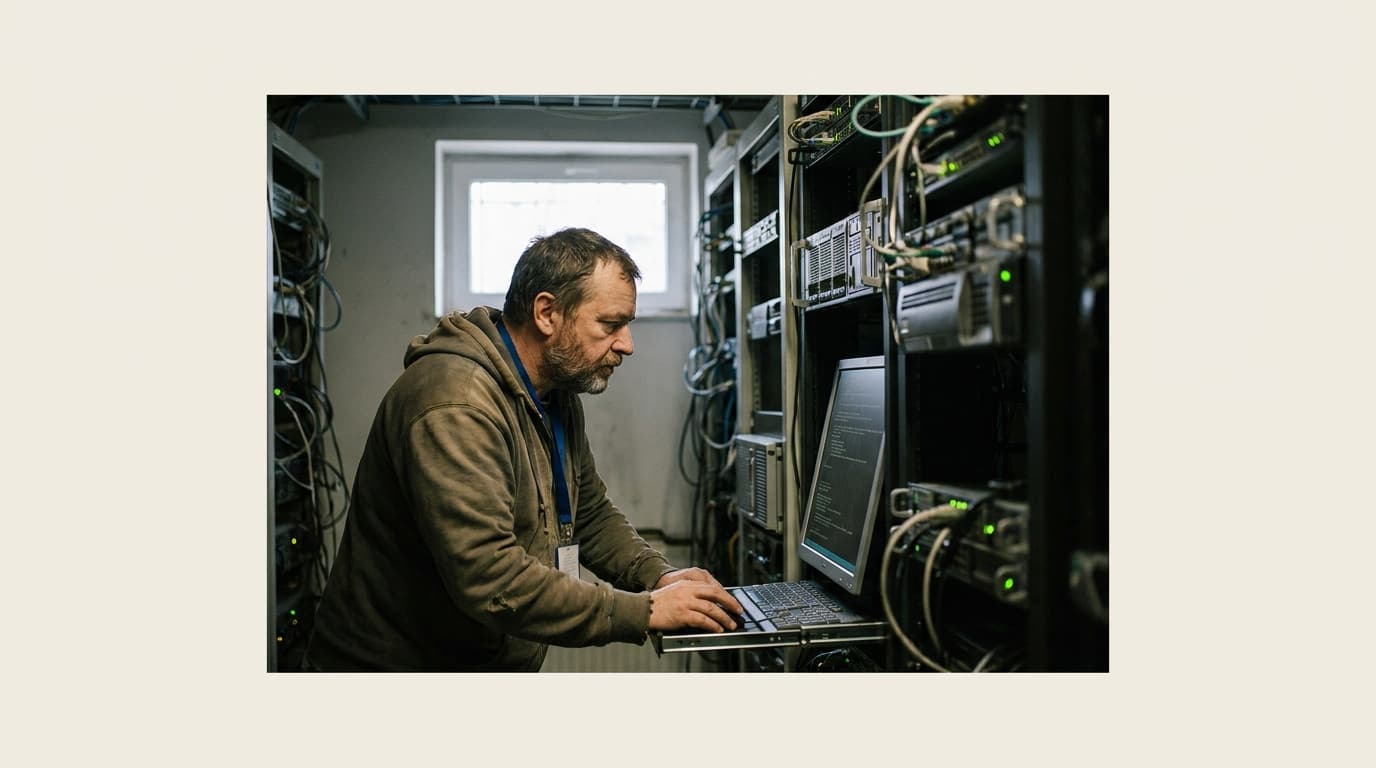
Security researchers have detailed a method for interacting with and testing Windows kernel-mode drivers without the physical hardware they control. This approach simplifies vulnerability analysis, allowing security teams to evaluate driver exploits that are normally gated by the presence of specific hardware components.
A security patch has been released for a critical GStreamer vulnerability affecting Ubuntu 16.04 LTS. Malicious AVI files could allow attackers to crash systems or run arbitrary code, making this update crucial for teams managing legacy infrastructure.
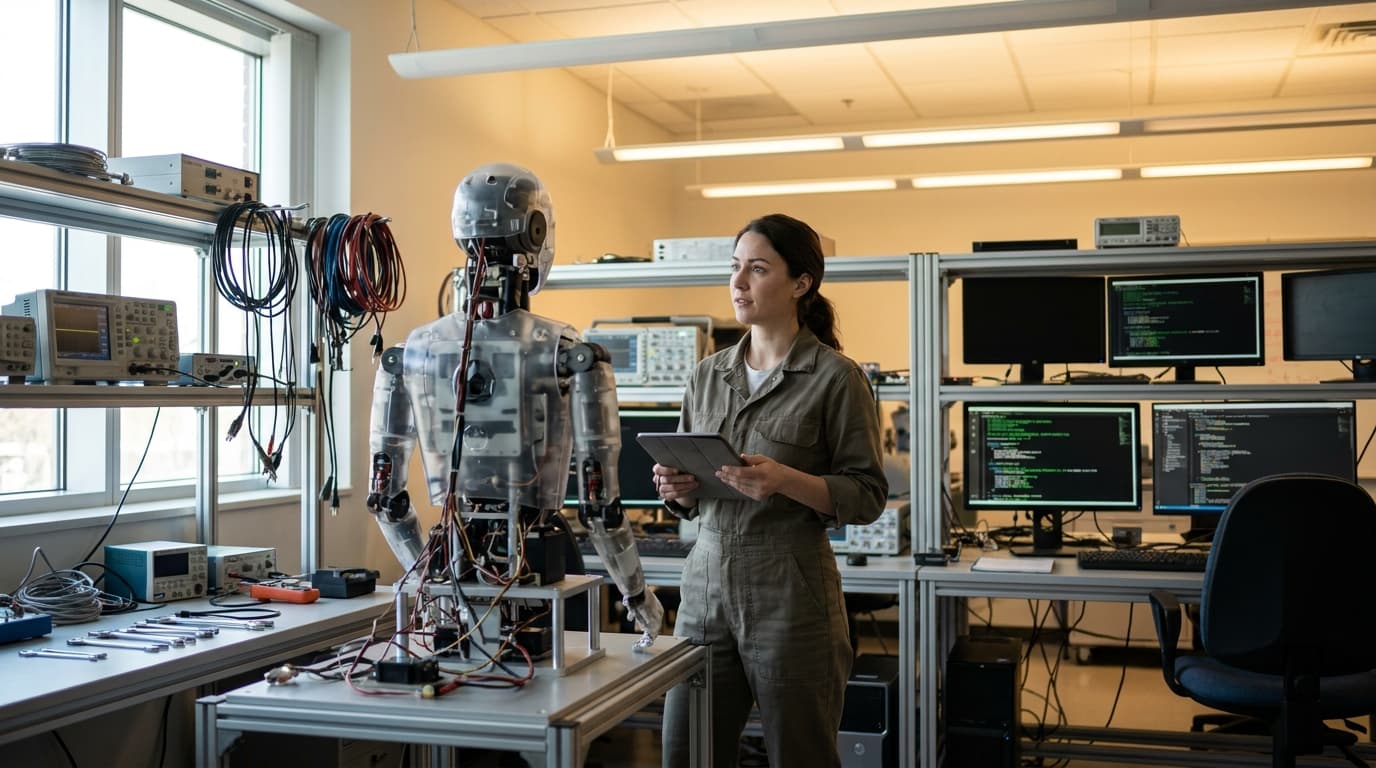
Viral videos of humanoid robots performing complex tasks are impressive but misleading. Experts warn there's a huge gap between controlled demos and the ability to perform reliably and repeatedly in the real world, a crucial distinction for tech leaders.
A security vulnerability has been found in the NNCP file transfer utility. The flaw allows a remote attacker to bypass directory restrictions and read or write files anywhere on the system. This is a high-severity path traversal issue affecting users of this specific tool.
Multiple vulnerabilities have been discovered in MediaWiki, the popular open-source wiki software. The flaws could allow attackers to determine if users have two-factor authentication enabled and to view the titles of intentionally hidden log entries, posing a risk to user privacy and site security.
Focusing solely on chargebacks overlooks other costly forms of fraud like false declines, account takeovers, and service abuse. These hidden threats can significantly damage revenue and customer trust, requiring a broader approach to risk management for complete protection and business health.
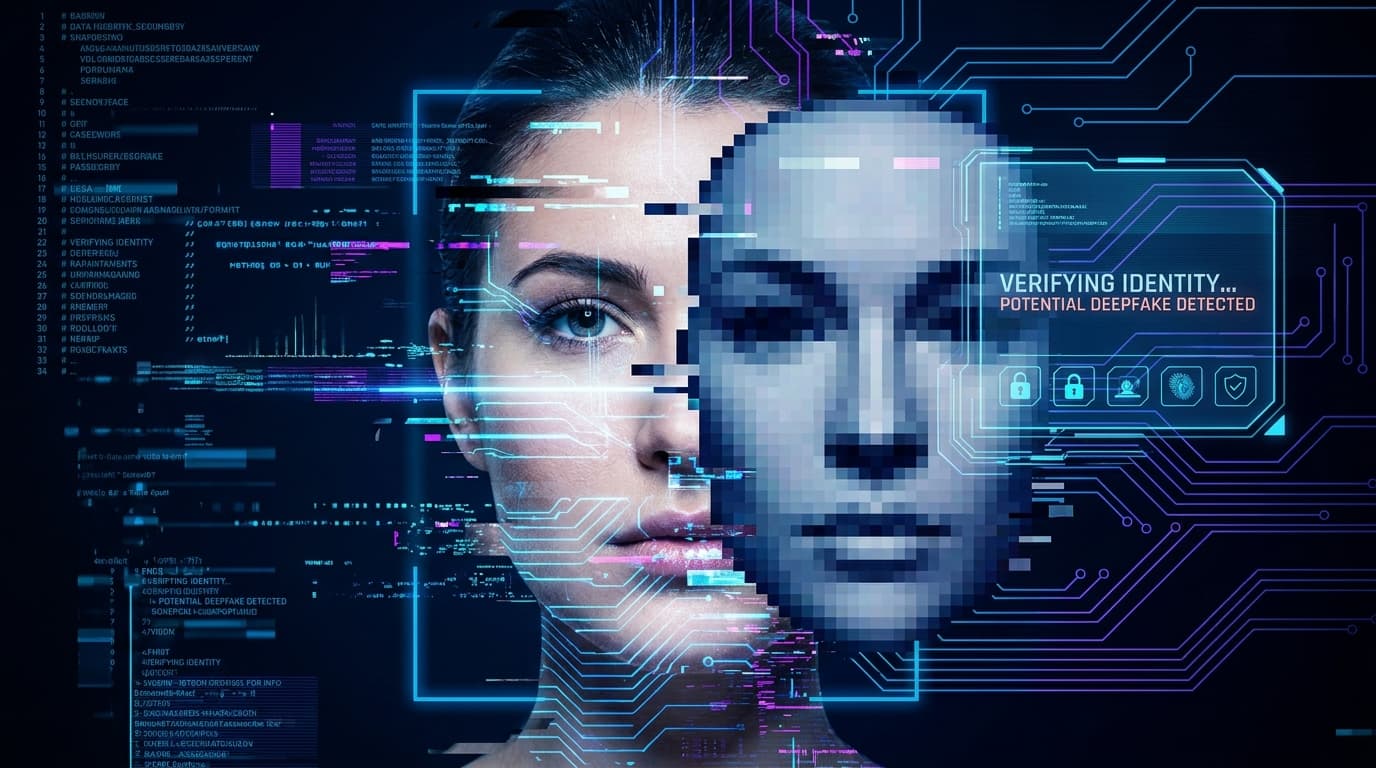
New research shows people struggle to distinguish AI-generated deepfakes from real content, with accuracy barely better than chance. This isn't just a media literacy issue; it poses a significant threat to businesses that rely on online identity verification for security and customer onboarding.
The upcoming Grand Theft Auto VI is so anticipated that rival game studios are avoiding its launch window. This is causing a major shift in the industry's release calendar, with a packed fall season but an empty November.
The National Academies of Science, a key advisor to the US government on tech and science, is facing internal political disputes. This could compromise the objective reports that influence policy and industry standards.
Cash App has launched a new tap-to-pay device shaped like a magic wand. The product is inspired by a viral social media trend of people embedding payment cards into homemade wands to pay for items.
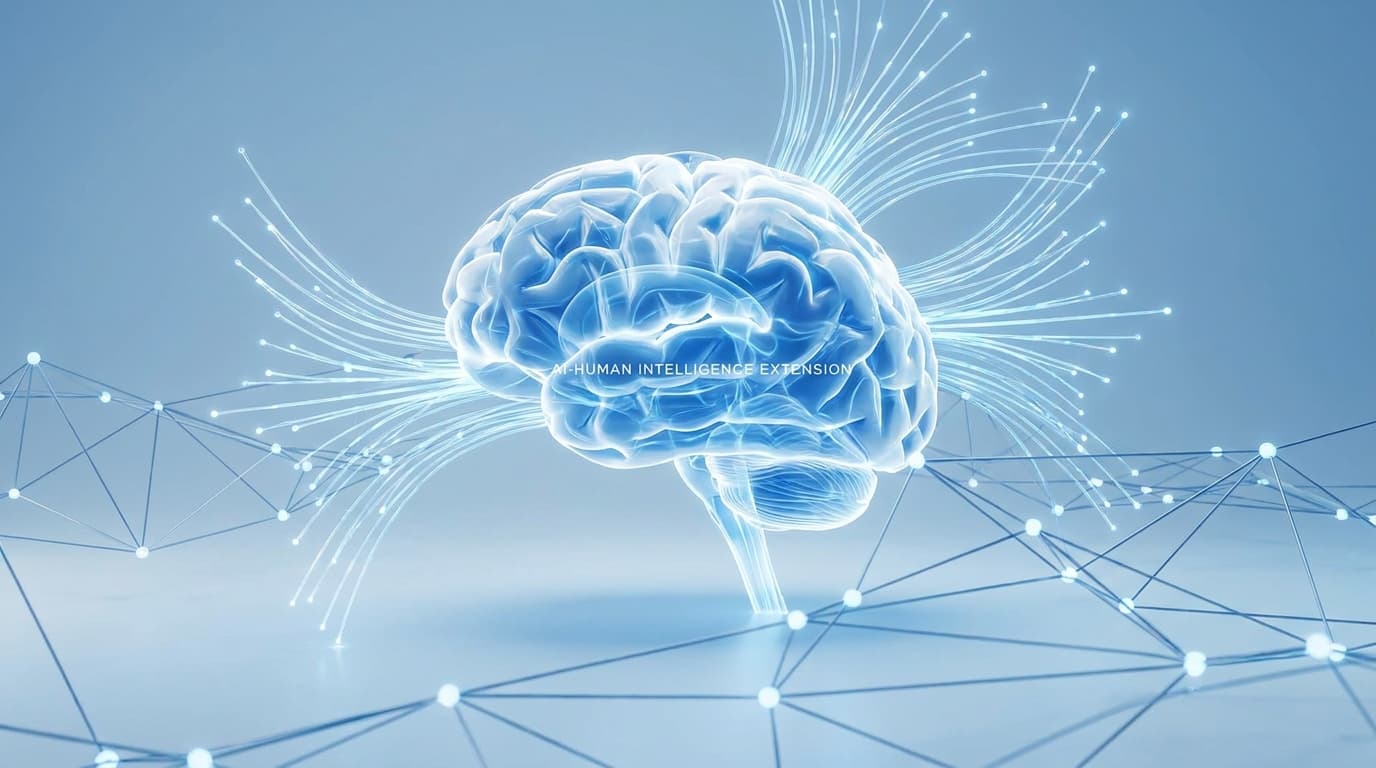
Microsoft Research suggests modern AI doesn't replicate human intelligence but extends it, building on our cognitive and linguistic structures. This perspective clarifies AI's capabilities and its limitations, such as hallucinations and reasoning errors, framing AI safety as a broader system-level challenge.