Short, verified tech briefings on AI, Cybersecurity, Infrastructure, Database, and Tech Updates — with the analysis and action steps engineering teams need.
A biotech company has started the first human trial for a treatment to reverse aging, injecting it directly into a patient's eye. The emerging field is backed by billions from prominent tech investors aiming to fight age-related diseases.
A developer discovered a significant bug in fsck_hfs, Apple's utility for repairing its older HFS+ file system. The flaw could cause the tool to misinterpret data structures during a repair, potentially leading to permanent data loss. The discovery highlights the complexities of maintaining legacy system software.
A security flaw has been discovered in the Texmaker LaTeX editor. The vulnerability stems from how the application handles TIFF image files, allowing a malicious image to cause a denial of service, leak sensitive information, or permit remote code execution on a user's system.
A scam campaign is targeting users in the Middle East and North Africa with fake Facebook offers. Attackers impersonate public figures to promote bogus deals for free internet and financial aid, aiming to steal user data.
The mayor of Shelbyville, Indiana, was recorded saying only people in "shitty houses" oppose a new $2 billion data center. The incident highlights the growing local resistance tech companies face when building new infrastructure.
New AI models consistently achieve higher benchmark scores, yet they often fail in real-world applications by hallucinating or mishandling queries. This gap highlights that raw intelligence isn't enough; models require specific, real-time context to perform reliably and reason effectively in production environments.
Audio company WiiM is expanding its product line with the WiiM Bar, a new soundbar releasing in July for $479. It aims to deliver high-quality audio at an affordable price, integrating into the company's whole-home ecosystem and supporting numerous streaming options. The device features a 2.1-inch touchscreen.
The traditional definition of technical debt—messy code and outdated architecture—is no longer sufficient. The AI era introduces new, subtle forms of debt related to prompts, data retrieval, and model evaluation. These hidden risks are harder to measure and are reshaping how enterprises must manage AI development.
Nextcloud has updated its Hub platform, integrating the Euro-Office suite and expanding its AI assistant. The move provides a stronger open-source, privacy-focused alternative for organizations concerned with data sovereignty, particularly those in Europe.
Ubuntu has patched a critical vulnerability in its GDK-PixBuf image library. A specially crafted JPEG file could crash an application, cause a denial of service, or even allow an attacker to execute arbitrary code on affected systems.
Secluso, an open-source home security camera system, has been updated. Formerly Privastead, it offers end-to-end encryption using OpenMLS and focuses on user privacy. The system is designed for easy deployment on hardware like the Raspberry Pi, providing a private alternative to commercial IoT solutions.
Temporary passwords for new hires often become permanent security risks. They are sent insecurely and reused, creating a weak link in your company's defenses that attackers can easily exploit.
The Crypt-SaltedHash library for Perl used a weak method to generate random "salts," a key part of password security. This makes the salts predictable, allowing attackers to more easily crack hashed passwords on systems using this library.
Recent data shows a major shift in venture capital strategy. Investors are concentrating their capital, leading to fewer but significantly larger funding rounds. This trend, observed in May, indicates that VCs are making bigger bets on a smaller number of carefully selected startups.
A vulnerability in QEMU's iSCSI driver affects Ubuntu 14.04 LTS. Attackers could use it to crash systems or potentially execute code, posing a risk for users of the outdated operating system.
Ubuntu has released a security update for its 20.04 LTS version, addressing a vulnerability in the xdg-dbus-proxy component. The flaw could allow a local attacker to intercept certain D-Bus messages by exploiting incorrect handling of policy rules. Users are advised to apply the patch promptly.
The widespread use of Docker containers has streamlined software deployment, but it also introduces security vulnerabilities. Developers frequently use pre-built images from repositories like Docker Hub, which can contain hidden risks, making container-based infrastructure a prime target for cyberattacks.
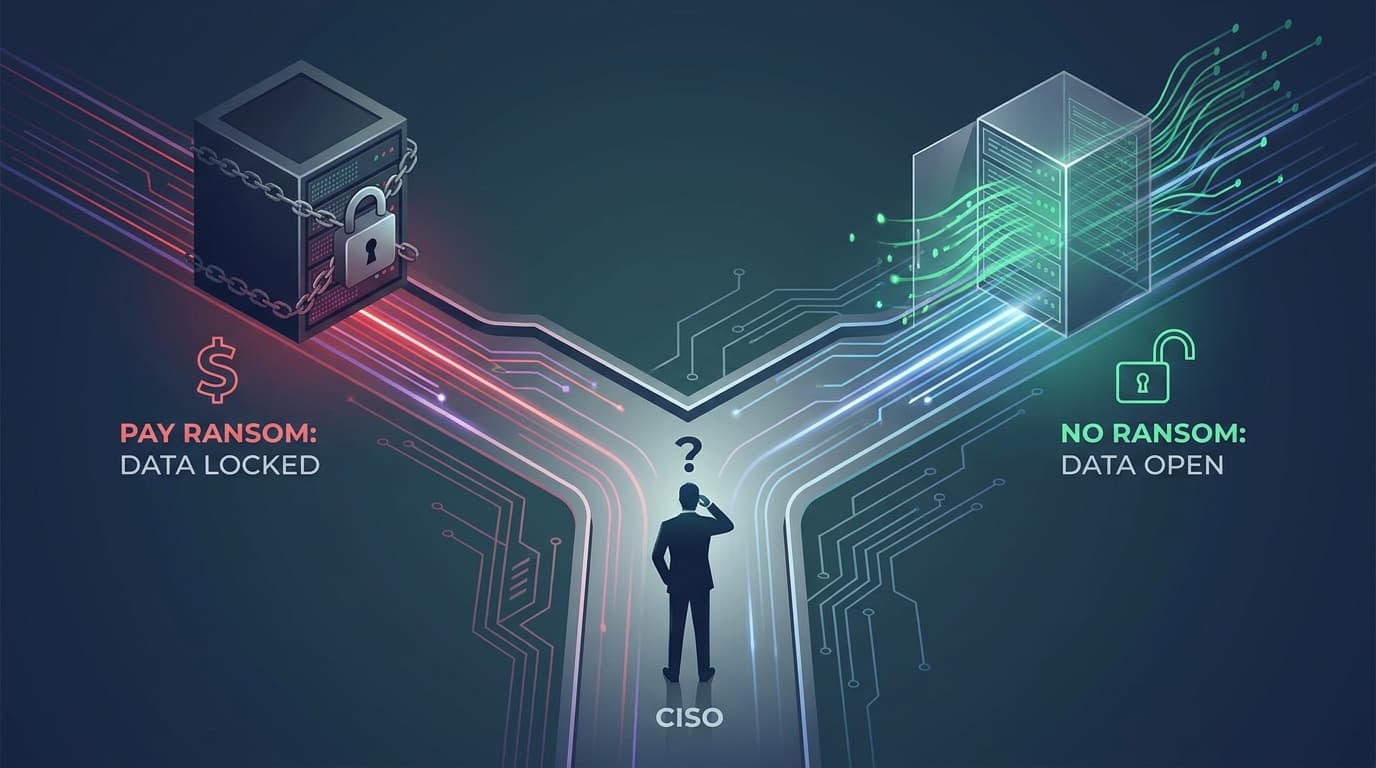
A new survey commissioned by Absolute Software reveals a significant trend in ransomware response. It found that 58% of Chief Information Security Officers (CISOs) say their organization would pay a ransom to recover data, highlighting a major shift in incident response strategy.
Scammers are buying ads on Reddit that look like posts from the BBC and The Guardian. These ads lead to fake AI investment schemes designed to steal money, using rapidly changing domains to avoid detection by security teams.
Elastic has released version 8.19.16 of the Elastic Stack, a security patch that addresses potential vulnerabilities. The company recommends all users upgrade to this latest version to ensure their deployments are protected. This update supersedes previous versions and is crucial for maintaining system security.
A new Virtual OS Museum offers a massive, downloadable collection of over 600 operating systems. Developers and historians can now run and explore computing history directly on their own computers through emulation.
A Canadian man has been sentenced to 33 years in prison after pleading guilty to an extensive sextortion scheme. Over eight years, he targeted more than 145 children across the United States, with some victims as young as six years old, marking a significant legal outcome.
A city sold land donated for a public park to data center developers for $10 million. The move shows the huge demand for real estate to support the growing tech industry and the financial pressures on local governments.
Sesame, a new conversational AI startup from the founders of Oculus, has launched its iOS app to the public. The platform features AI agents designed for more natural, human-like conversations, aiming to provide a better user experience than traditional chatbots in a competitive market.