Short, verified tech briefings on AI, Cybersecurity, Infrastructure, Database, and Tech Updates — with the analysis and action steps engineering teams need.
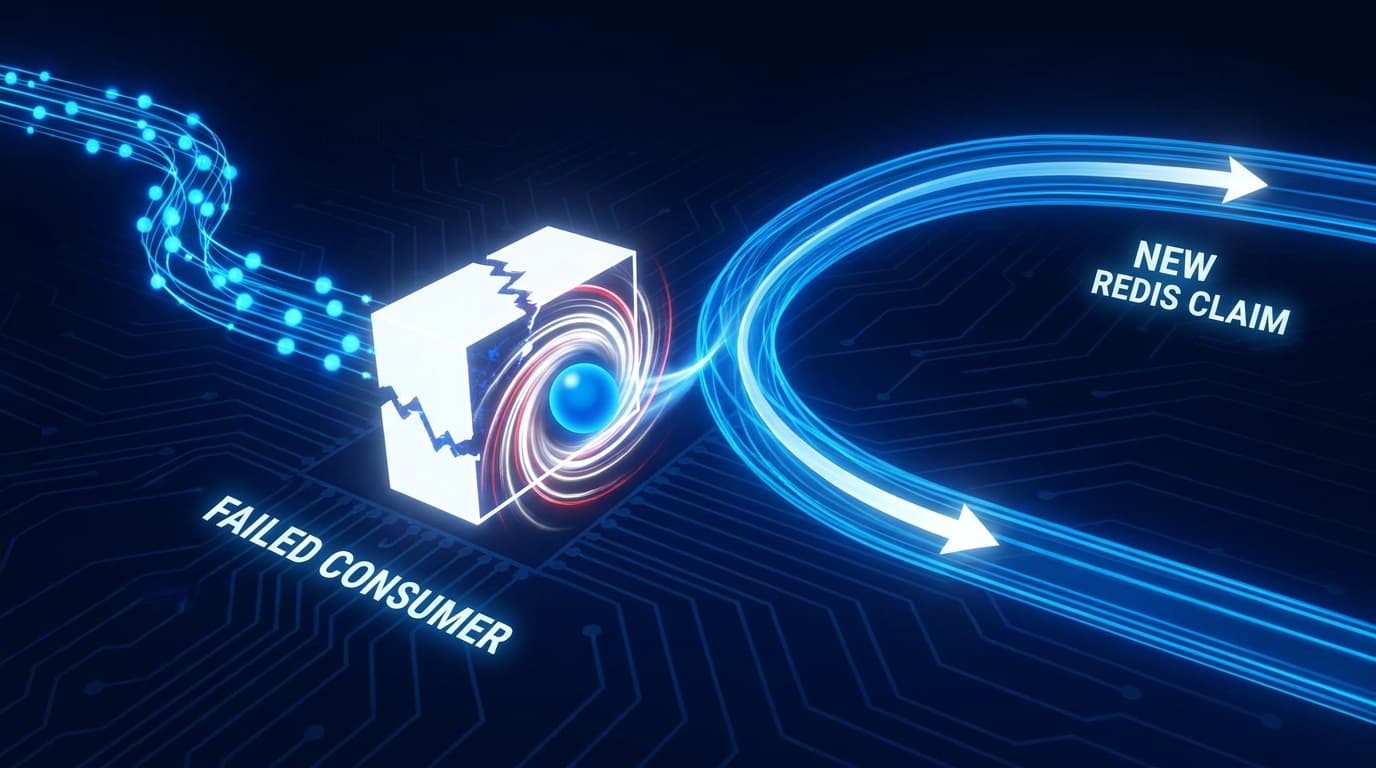
Redis 8.4 introduces a new `CLAIM` option for its `XREADGROUP` command, simplifying how developers build reliable stream consumers. The update combines consuming new messages and reclaiming stalled ones into a single command, reducing code complexity and improving the robustness of event-driven applications.
Developers have reported frustratingly long cold starts, up to 20 seconds, when running AI models on Google Cloud Run. This latency has led some to reconsider serverless GPUs. Google has now published a guide with practical solutions to significantly reduce these startup times.
Snowflake's platform on Google Cloud in Melbourne has successfully completed an IRAP assessment, meeting the Australian Government's 'Protected' security standard. This certification allows public sector agencies and regulated industries in Australia to use the data platform for handling sensitive information and critical workloads on GCP.
A CNCF blog post shares a real-world story about the 'integration tax' of cloud-native tools. An on-call engineer faced blank dashboards because Prometheus wasn't correctly configured to monitor Cilium, highlighting how complex integrations can cause serious production issues for engineering teams.
ClickHouse announced several major updates at its Open House 2026 event. Key developments include deeper integration with Postgres, new data ingestion tools called ClickPipes and ClickHouse Agents, and a partnership with Langfuse for LLM observability. The updates aim to simplify real-time data analytics.
Tech leaders often treat board meetings as one-way presentations, focusing too heavily on technical details. An REI CIO's experience shows the pitfall of this approach, highlighting that boards expect a strategic dialogue, not just a detailed report on roadmaps, to guide the company's direction effectively.
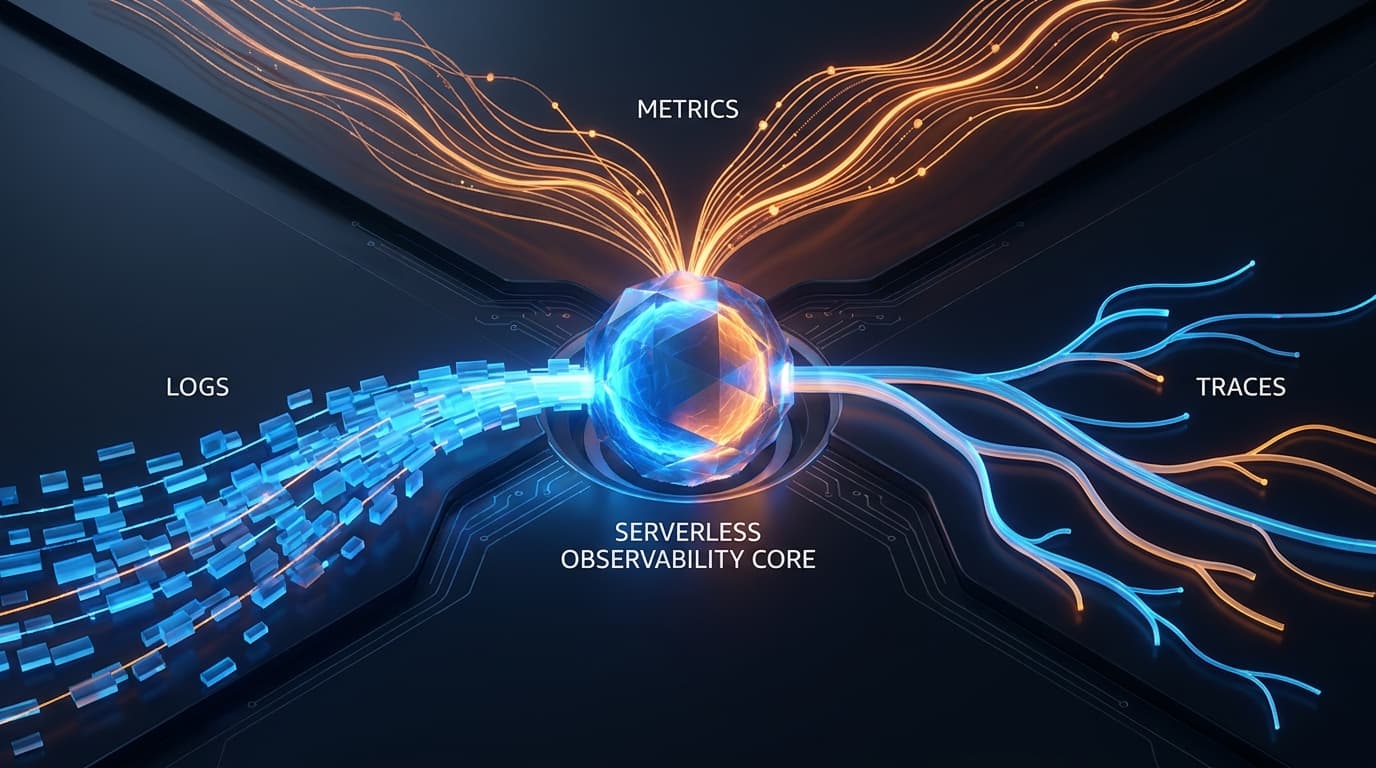
ClickHouse has introduced ClickStack Cloud, a new serverless observability platform. It's a fully managed service built on the ClickHouse database, designed to handle logs, metrics, and traces. The platform uses a managed endpoint for OpenTelemetry data, allowing teams to analyze systems without managing infrastructure.
Microsoft Research has released Data Formulator 0.7, an open-source, AI-powered system for enterprise data analytics. The tool combines data connectivity, AI agent-guided exploration, and visualization in a shared workspace. A new Data Connectors feature simplifies integration with various data sources like databases and BI systems.
Vercel has integrated the MiniMax M3 model into its AI Gateway. This is MiniMax's first model with a 1-million-token context window and native multimodal capabilities, designed for complex tasks like software engineering, agentic web browsing, and multi-turn collaboration for developers using the platform.
Amazon faces a class-action lawsuit over its 'Subscribe & Save' program. The suit alleges the company attracts customers with low initial prices, then raises them for later shipments, sometimes making the subscription more expensive than a one-time purchase.
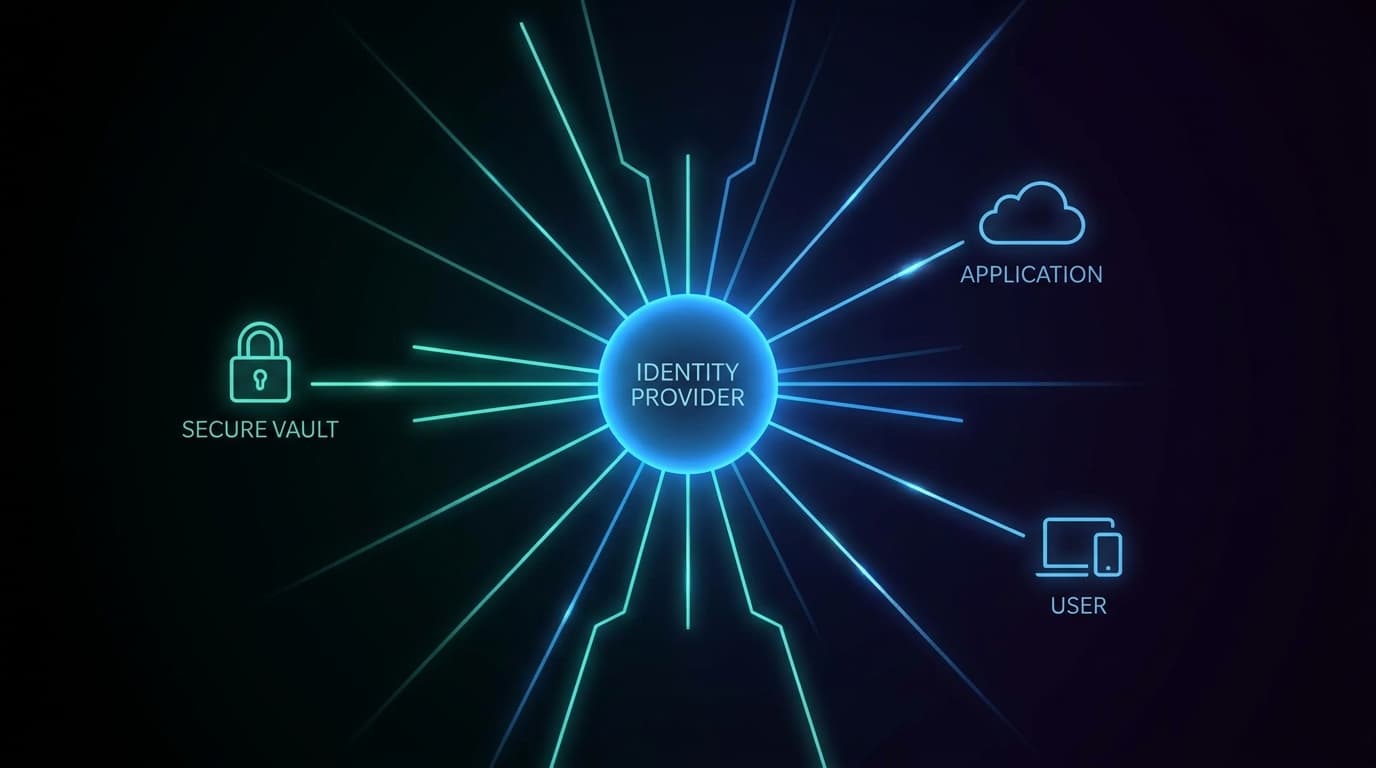
HashiCorp Vault has introduced support for SCIM, a standard protocol for automating user identity management. This update enables enterprises to automatically provision and manage users and groups in Vault, ensuring consistency with their primary identity providers. It simplifies access control, enhances security, and improves operational efficiency.
Elastic has released version 9.4.2 of the Elastic Stack. This is a security-focused update that addresses potential vulnerabilities found in previous versions. All users are strongly encouraged to upgrade their deployments to this latest version to ensure their systems remain secure and protected.
Google DeepMind has published new research on AI safety, specifically testing if its Gemini models exhibit "scheming" behavior. The studies evaluate whether the models would sabotage their own safeguards, a crucial concern as AI agents become more autonomous and integrated into critical systems.
Palo Alto Networks warns a medium-severity security flaw in its PAN-OS and Prisma Access products is under active attack. The vulnerability, CVE-2026-0257, allows attackers to bypass authentication and potentially establish unauthorized VPN connections, posing a significant risk to affected networks.
The market for DDoS-as-a-Service (DDoSaaS) is evolving from scattered tools into sophisticated platforms. These services now offer subscription tiers, customer support, and reseller programs, making powerful cyberattacks more accessible and easier to launch for a wider range of malicious actors.
Security firms WatchGuard and ESET have identified two active banking trojan campaigns. The Grandoreiro malware targets Windows users, while the BTMOB malware targets Android devices. The campaigns are primarily focused on companies and mobile users in Spain, Portugal, Mexico, and Brazil, aiming to steal financial information.
Discussions about autonomous weapons, once confined to hypothetical scenarios at UN forums, are now confronting a new reality. The use of AI in modern conflicts is accelerating, raising urgent questions about ethics, international law, and the future of warfare for global leaders and the tech industry.
Linux kernel developers are considering removing the x32 ABI, a specialized interface for 64-bit processors that uses 32-bit pointers to save memory. The proposal cites low adoption, suggesting its maintenance is no longer justified and its removal would simplify the kernel and reduce its attack surface.
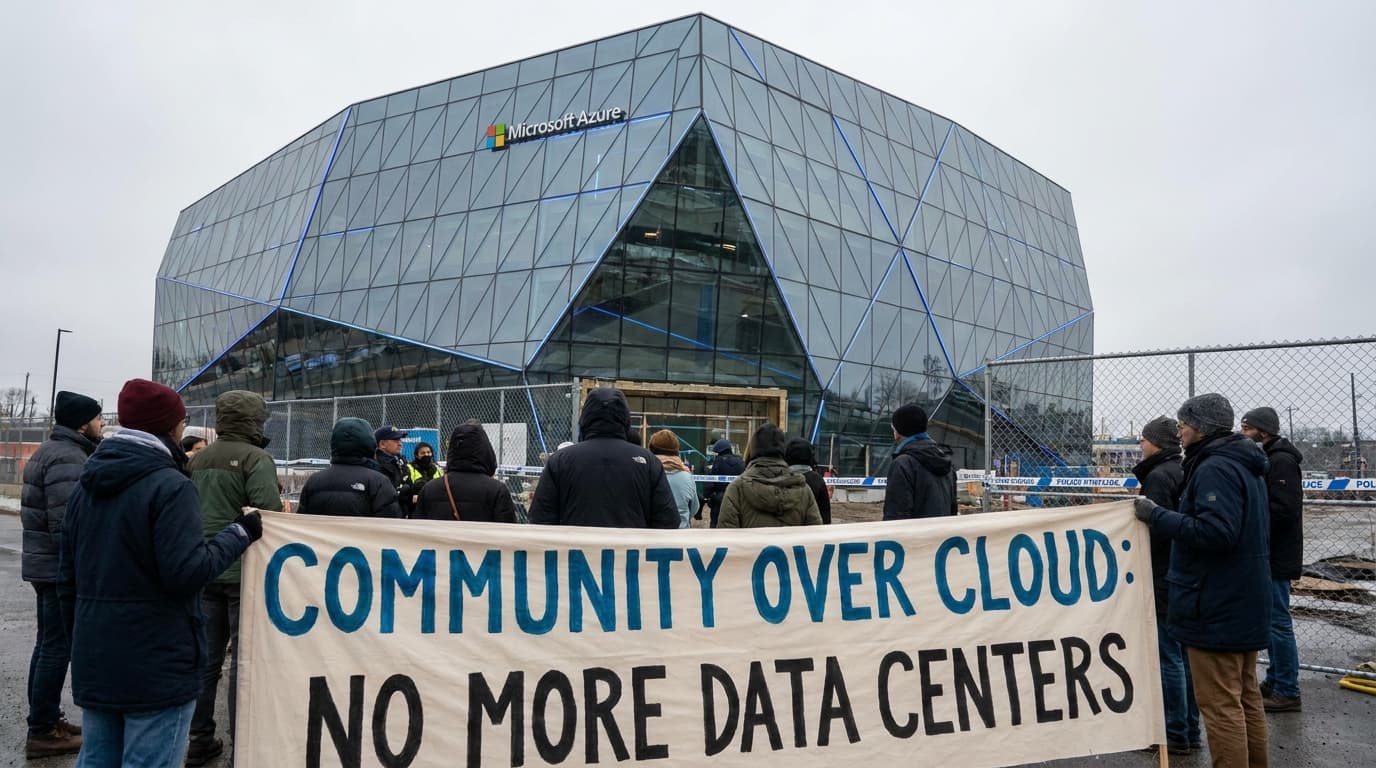
Microsoft has withdrawn its proposal for a 244-acre data center campus in Caledonia, Wisconsin, following significant community opposition. The decision highlights growing local resistance to large-scale infrastructure projects, which can impact cloud service expansion plans for major tech companies and their customers.
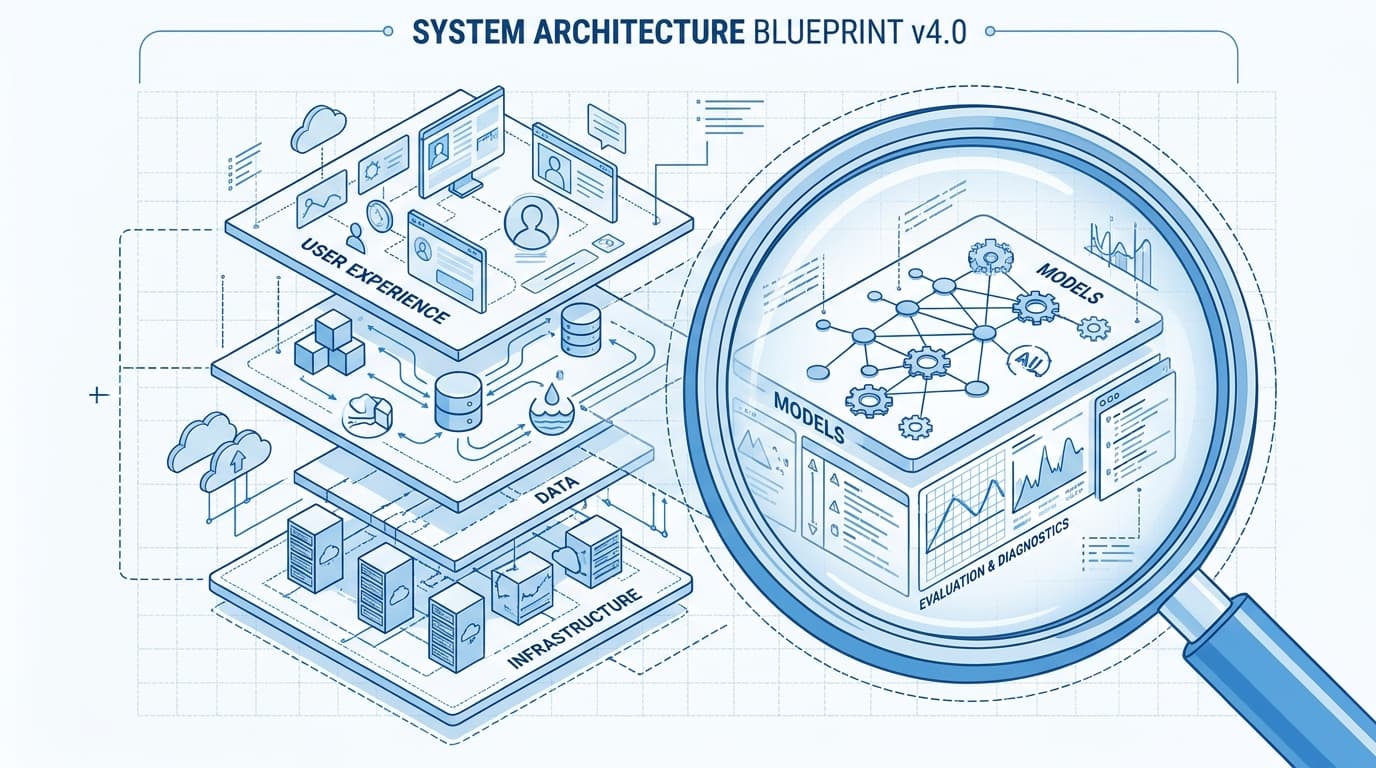
Mallika Rao, with experience from Twitter and Netflix, presents a new framework for evaluating production AI systems. She argues traditional metrics are outdated and introduces a five-layer evaluation stack and a maturity model to prevent silent failures and manage "evaluation debt."
GitHub reduced token consumption in its AI-powered CI workflows by up to 62%. The company achieved this by removing unused tools, replacing API calls with its CLI, and deploying daily automated agents to audit and optimize usage, offering a model for others to follow.
Microsoft has updated Azure Logic Apps with sandboxed code interpreters. This allows AI agents within workflows to safely generate and execute Python, JavaScript, C#, and PowerShell code, positioning Logic Apps as a platform for building AI-powered integrations.
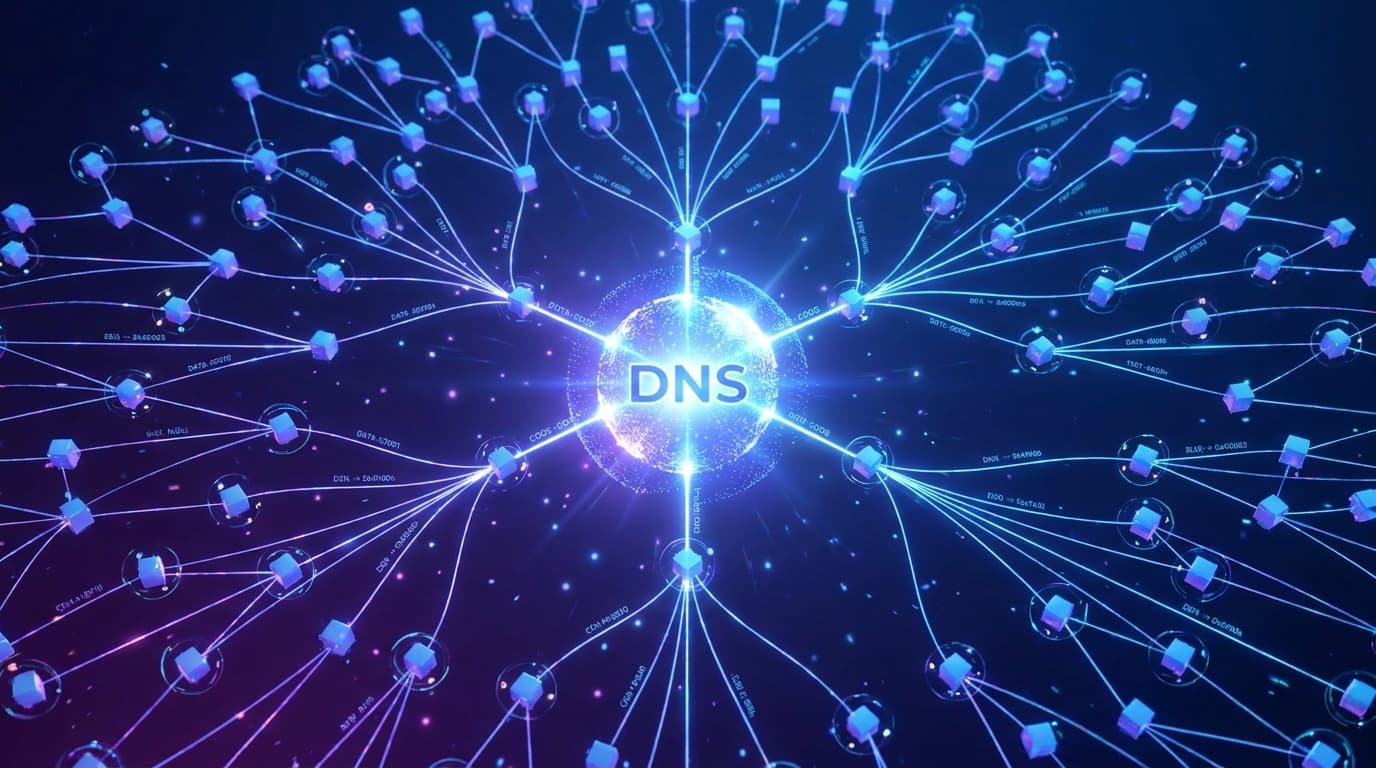
The Linux Foundation has proposed an open standard for AI agents to discover and communicate with each other. The proposal suggests extending the existing Domain Name System (DNS) to create a universal, decentralized directory, avoiding the need for new proprietary registries and leveraging proven internet infrastructure.
DeepSeek has introduced reasonix, a new native AI coding agent. The tool is designed for high performance with features like advanced caching, aiming to provide a low-cost solution for developers. The announcement has generated significant discussion, highlighting interest in new developer tools.