Short, verified tech briefings on AI, Cybersecurity, Infrastructure, Database, and Tech Updates — with the analysis and action steps engineering teams need.
Microsoft now lets you create, edit, and share Word, Excel, and PowerPoint files directly inside its Copilot app. This move positions the AI assistant as a central productivity hub, not just a feature within other applications.
A Harvard study finds AI boosts code output by 20-30%, but this creates a new bottleneck. Human code reviews now take longer, slowing down the entire development process and shifting the workload from writing to reviewing.
New York regulators have proposed new rules to limit how sports betting apps use AI for personalized promotions. This marks a significant move to regulate algorithmic marketing and protect vulnerable users, setting a potential precedent for other industries.
The Java ecosystem just received a wave of updates, including major releases for the Grails web framework and Open Liberty runtime. These changes bring modern features for cloud and AI development to the mature platform.
A new benchmark of Delta Lake's Liquid Clustering reveals two undocumented failure modes. The analysis shows that how you organize your data can dramatically impact performance and reliability, often in unexpected ways.
The US commodities regulator has proposed rules to separate prediction markets into two buckets: federal financial products and state-regulated gambling. This move aims to clarify the legal landscape for a growing tech sector.
Let's Encrypt will shorten its free SSL certificate lifetimes from 90 to 64 days starting in February 2027. This change requires developers and IT teams to verify their automated renewal processes can handle the faster expiration cycle.
A new rumor suggests the next Apple TV will have a built-in microphone. This would let it function as a hands-free smart home hub, responding to Siri commands without needing the remote or a nearby HomePod.
Gremlin has launched Foresight AI, an agent-based system that automatically finds potential failures in your software. It then recommends fixes and tests them to ensure your services stay online, improving system reliability before issues arise.
AWS has upgraded EventBridge with enhanced custom event buses. The new features include guaranteed event ordering, event replay for easier debugging, and simpler cross-account sharing, making event-driven systems more robust and manageable for developers.
Ubuntu confirmed a distributed denial of service (DDoS) attack took down its web infrastructure. The attack made the main website and crucial ISO downloads for its operating system inoperable for developers and IT teams worldwide.
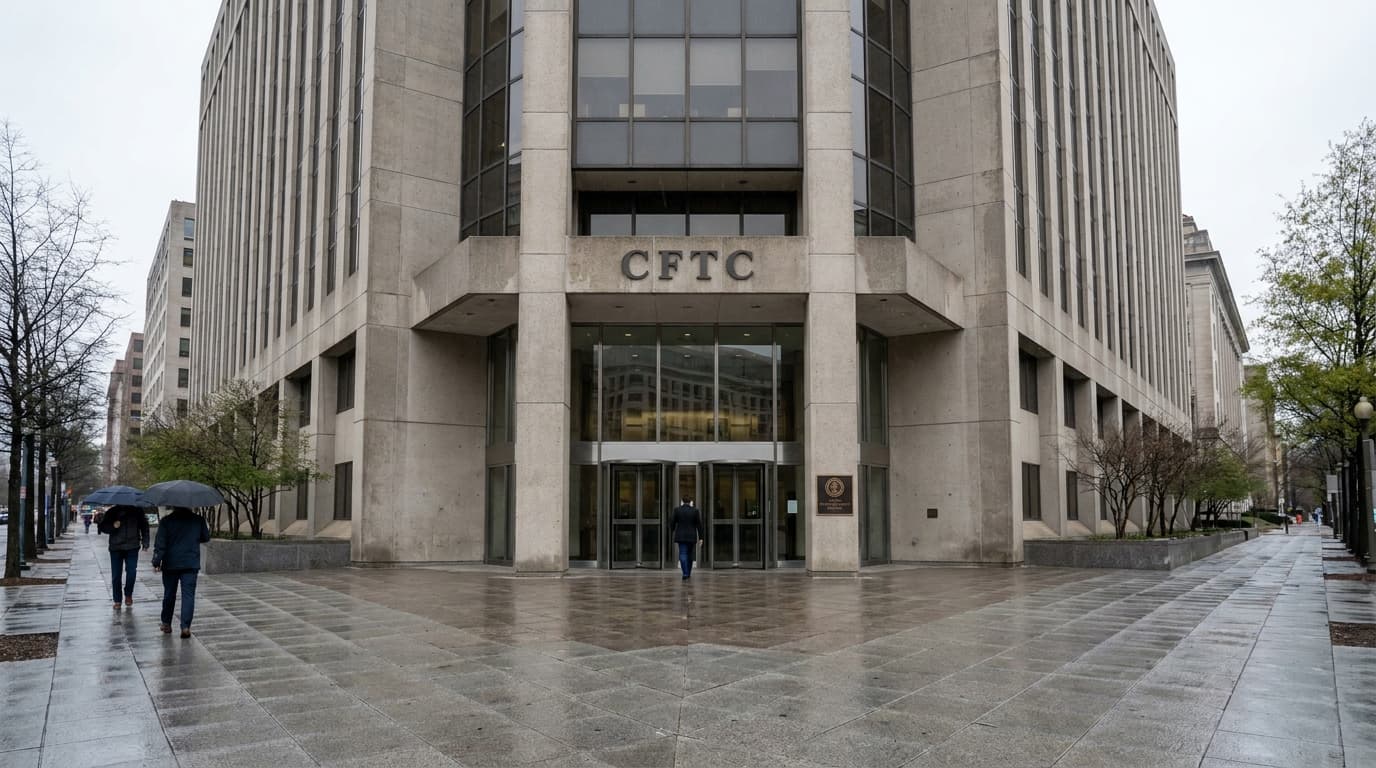
The main US regulator for crypto derivatives, the CFTC, is facing major staff cuts as the market expands. This mismatch raises the risk of fraud and instability, leaving companies and investors more exposed.
The global PC market just shrank by 20% in one year. The AI industry's massive demand for memory and storage is driving up component costs, making new computers significantly more expensive for everyone.
Vercel's command-line tool now lets developers automate domain purchases. This update allows AI agents and scripts to search for, check, and initiate domain acquisitions, streamlining infrastructure management while keeping final approval with the user.
Redis has rebuilt its documentation to be machine-readable, aiming to stop AI coding assistants from providing outdated or incorrect answers. This new format gives AI agents direct access to accurate, up-to-date information, improving developer productivity.
Calls to slow AI development point to a deeper issue than just code. Experts argue the real problem is a 'sociotechnical failure' rooted in engineering courses that prioritize speed over ethical and societal impact.
Shopify has rewritten its checkout extensions, cutting their size by up to 85%. This major update means faster load times for customers and a mandatory migration for developers by October 2026.
A New York Fed study finds small businesses using AI are far more optimistic about growth than non-users. However, there's a reality gap: only 31% have seen increased sales, signaling a need for tempered expectations.
Cloudflare has launched K2, a new serverless event streaming service built on its R2 object storage. The service aims for one-second latency, though early tests show higher numbers, and its pricing matches data production with consumption.
Trump Mobile reportedly launched without required FCC authorization for international calls. A US senator's letter also notes the company failed to submit a mandatory plan for fighting robocalls, raising significant compliance and security questions for the new service.
A federal jury awarded a driver $76 after a faulty AI-powered license plate reader led to an unconstitutional traffic stop. The case sets a legal precedent on liability for automated surveillance systems and their real-world errors.
A former Stratton Oakmont partner who served prison time has launched Commissary Club, an AI-powered platform. It helps formerly incarcerated individuals find jobs, housing, and community to reduce recidivism and tap into an overlooked talent pool.
Goodfire launched a new way to monitor AI agents. Instead of using a second AI to watch an agent's actions, its system peeks inside the model itself, making the process much cheaper and more efficient.
Redis has released its official open-source software on the AWS Marketplace. This gives developers a trusted, one-click way to deploy Redis on their own EC2 instances, simplifying setup and ensuring the software comes directly from the source.